Overlanding for Beginners: How to Get Started Without Breaking the Bank
This post contains affiliate links. As an Amazon Associate, I earn from qualifying purchases at no extra cost to you.
Overlanding is one of the most rewarding ways to explore the outdoors. You load up your vehicle, leave the pavement behind, and drive to places most people never see. But if you search online for overlanding builds, you will quickly find six-figure rigs with custom everything. Do not let that intimidate you. This guide is for everyone who wants to start overlanding on a real budget.
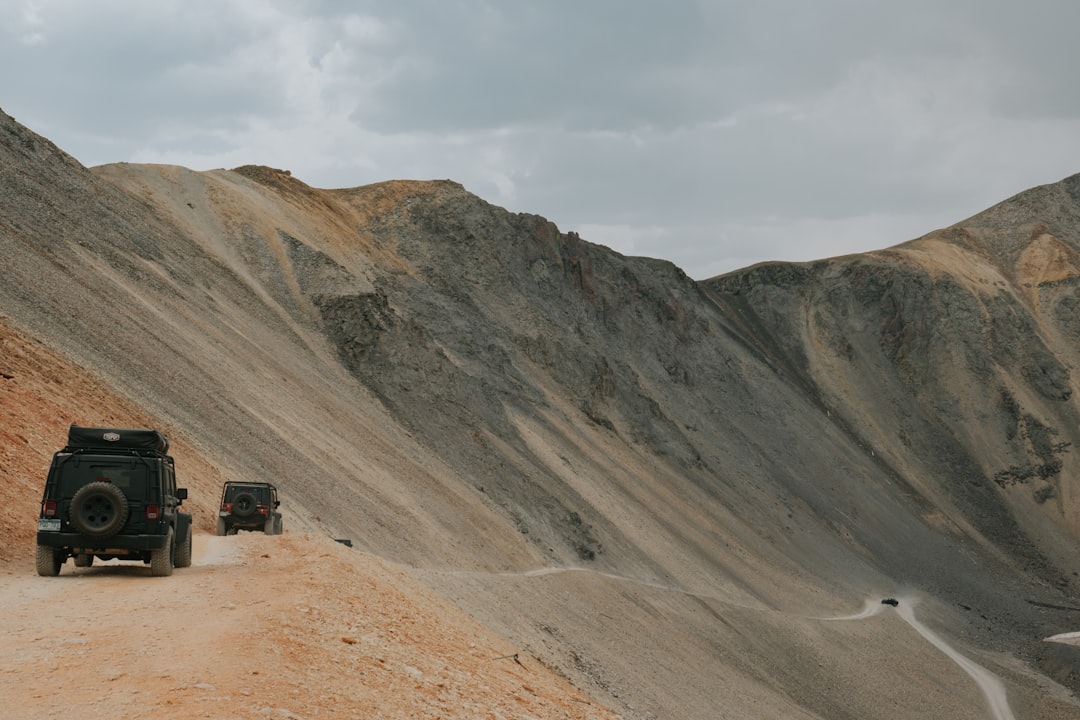
Photo by Brady Stoeltzing on Unsplash
What Is Overlanding?
Overlanding is vehicle-based travel where the journey matters as much as the destination. Unlike off-roading, which focuses on technical obstacles, overlanding is about covering distance through remote terrain and camping along the way. Your vehicle is both your transport and your shelter.
Do You Need a Special Vehicle?
No. Most overlanders start with whatever they already own. A stock 4x4 SUV or pickup truck can handle the vast majority of beginner overlanding routes. Even a two-wheel-drive vehicle can do gravel roads and dry forest tracks.
The key is knowing your vehicle’s limits and choosing routes that match your capability. Start easy and build from there.
The Minimal Starter Kit
You do not need to buy everything at once. Here is a lean starter setup:
Recovery gear: A traction board pair and a basic tow strap. These handle the most common stuck situations.
Shelter: A rooftop tent is nice but a ground tent works just as well. A standard camping tent costs far less.
Water: Carry at least two gallons per person per day, plus a portable filter for emergencies.
Navigation: Download offline maps with an app like Gaia GPS or OnX Offroad before you leave cell service.
Tools: A basic socket set, zip ties, duct tape, spare fuses, and a tire plug kit cover most roadside problems.
Pick the Right First Route
Start with forest service roads and graded dirt roads. These are low-stress, forgiving, and abundant across the US. The USFS roads are usually marked on public land maps. Apps like iOverlander and FreeRoam show camping spots and route conditions.
Avoid deeply rutted trails, creek crossings, and steep ledges until you have more experience and better recovery gear.
The Overland Journal’s beginner resources section is one of the most thorough introductions to the hobby from an editorial perspective.
Join a Community
Nothing accelerates learning faster than going out with experienced overlanders. Find a local group through the Overland Society, regional Facebook groups, or overlanding subreddits. Most groups welcome beginners and will show you the ropes.
Getting started does not require a perfect rig or a big budget. It requires curiosity, some basic gear, and the willingness to drive somewhere new. Start small, learn your vehicle, and build from there.
Related Reading
Ready to build your rig? Our Budget Overland Build Under $2,000 guide gives you a prioritized spending framework.
Recommended Products
Here are a few products to help with what we covered in this guide: