Solo Overlanding Safety: How to Go Alone and Come Back Safe
This post contains affiliate links. As an Amazon Associate, I earn from qualifying purchases at no extra cost to you.
Solo overlanding is one of the most freeing experiences available to someone who loves the outdoors. No schedules to negotiate, no one else’s preferences to accommodate, just you and the road. But solo travel requires a different level of preparation. When things go wrong alone, the consequences escalate quickly.
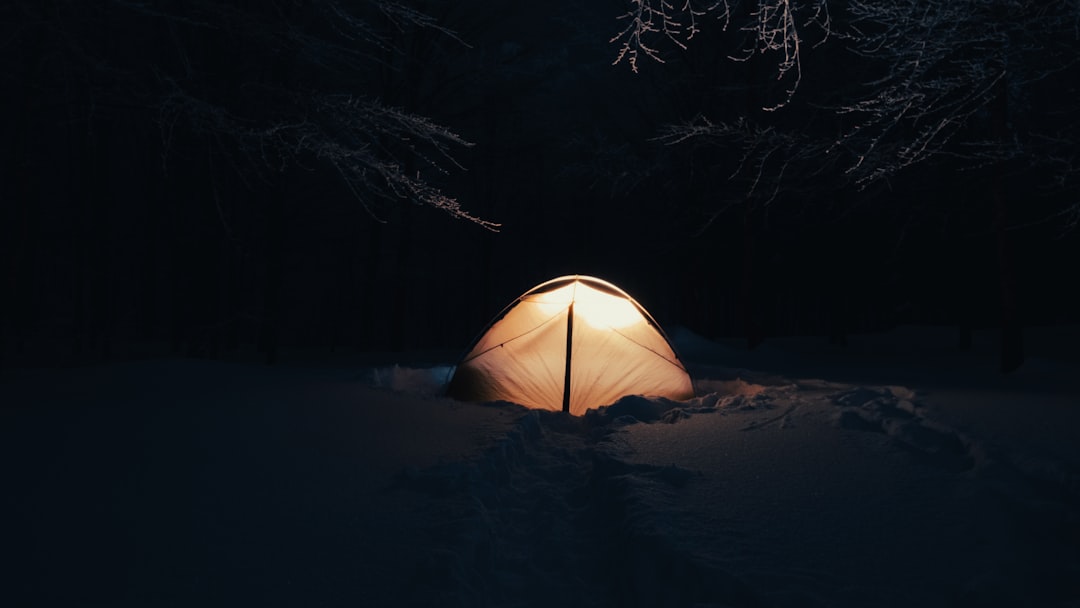
Photo by Faruk Kuğu on Unsplash
Tell Someone Your Plans
Before every solo trip, leave a detailed trip plan with someone you trust. Include your intended route, planned campsites, the roads you expect to drive, and your expected return date and time. Tell them when to call for help if they do not hear from you.
This single habit prevents many search and rescue scenarios. Rescuers need a starting point. A trip plan gives them one.
Carry a Satellite Communicator
A Garmin inReach Mini 2 or SPOT communicator is the most important safety tool for solo overlanders. These devices send two-way text messages via satellite from anywhere on earth, completely independent of cell service.
The inReach Mini costs around $350 plus a monthly subscription. For solo travel to remote areas, this is not optional equipment. It is your lifeline. The SOS button contacts GEOS emergency coordination, which manages search and rescue response globally.
Know Basic Vehicle Recovery Alone
Getting stuck alone is a different problem than getting stuck with a partner. You cannot use a kinetic strap. You need self-recovery tools.
Traction boards are the best solo recovery tool. Place them under the drive wheels and drive out. Practice using them before you need them under pressure.
A Hi-Lift jack lets you lift the vehicle to place boards under buried tires. A shovel clears mud packed around wheels. A portable winch (manual or electric) provides pulling power without a second vehicle.
Practice your recovery sequence before heading to remote terrain alone.
Vehicle Preparation
Check the following before any solo trip:
Tires: Check pressure and inspect for damage. Carry a plug kit and portable compressor. Know how to use both.
Fluids: Check oil, coolant, brake fluid, and transmission fluid. Top off anything low.
Spare tire: Make sure your spare is properly inflated. Know how to change a tire on your specific vehicle with the equipment you carry. Try it once in a parking lot before you need to do it on a slope in the dark.
Fuel: Calculate your route distance and carry extra. A 5-gallon fuel jug costs $20 and provides a comfortable buffer.
Health and Personal Safety
Tell someone where you are going and when to expect you back. Carry a first aid kit and know how to use it. For remote solo travel, a Wilderness First Aid course is a worthwhile investment.
Carry enough water for an extended wait if your vehicle breaks down. Three days of water in the desert could save your life.
The National Park Service maintains backcountry travel safety resources that apply directly to solo overlanding on remote public lands.
Mental Preparation
Solo travel requires honest self-assessment. Turn around when conditions exceed your capability. There is no one to get you out if you push past your limits. The trail will be there when you come back with more experience or better equipment.
The solo overlanding community is welcoming and experienced. Connect with it. Learn from people who have been doing this for years. Go out, be careful, and have a great time.
Related Reading
Solo trips need reliable recovery gear more than group trips. See our Overland Recovery Gear guide for must-have extraction tools.
Recommended Products
Here are a few products to help with what we covered in this guide: