Best Budget Roof Tents Under $500
This post contains affiliate links. As an Amazon Associate, I earn from qualifying purchases at no extra cost to you.
Sleeping on your vehicle instead of on the ground is one of the best upgrades a budget overlander can make. You get faster camp setup, better insulation from cold ground, and that feeling of waking up with a view that tent campers on the ground just don’t get. The problem is that most rooftop tents (RTTs) start around $700 and climb well past $2,000 for quality hard shells. But there is a viable path to get off the ground for under $500 - and in many cases well under that.
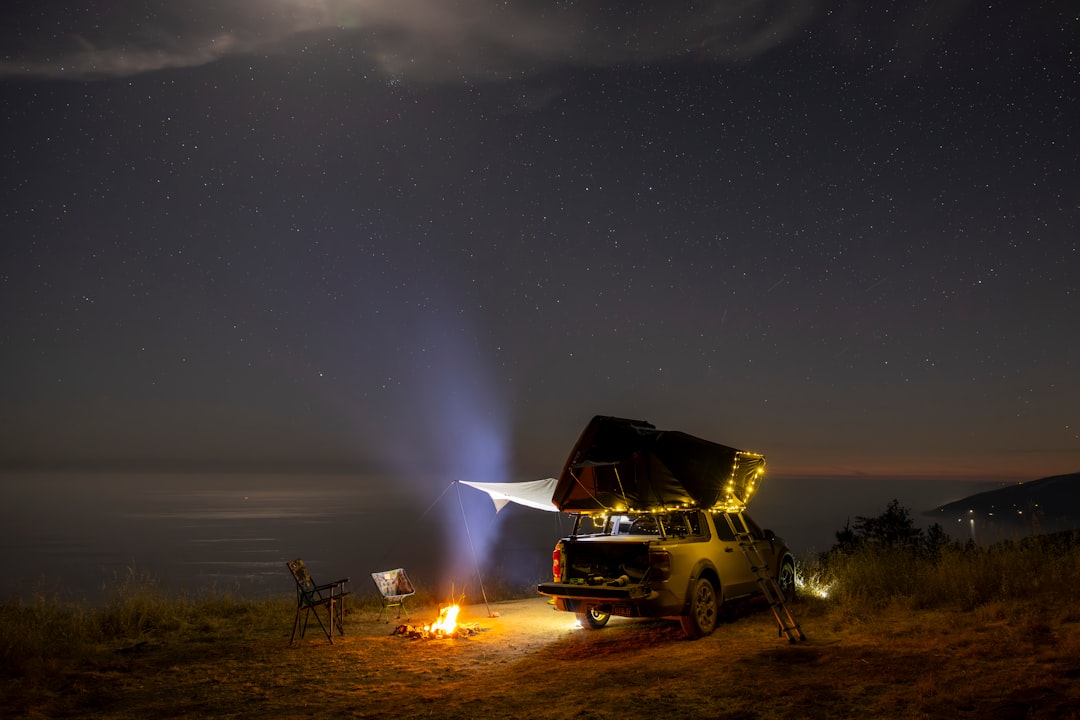
Photo by Leo_Visions on Unsplash
Safety note: Mounting any tent system to your vehicle’s roof rack or truck bed changes the vehicle’s center of gravity and can affect handling, especially on uneven terrain. Always follow weight limits for your specific rack or vehicle roof rating. If you are fabricating or welding any mounting hardware yourself, have the work inspected before driving off-road. See our budget roof rack options guide for weight ratings and mounting hardware basics.
The Reality of Rooftop Tents Under $500
True hard-shell RTTs - the kind that pop up with gas struts and close into a flat profile - are almost universally above $700, and most quality options sit between $900 and $1,500. A few soft-shell RTTs brush the $500 line on sale, but at that price point the construction quality tends to be marginal and the warranties are minimal or nonexistent.
The more honest answer for the $500-and-under budget is the truck bed tent. These are soft-shell tent systems that attach to the rails and tailgate of a pickup truck bed, turning the bed into a sleeping platform. They are not the same as an RTT - they sit at bed height rather than roof height - but they accomplish the same core goals: getting you off the ground, keeping you dry, and setting up in under 15 minutes.
For a broader picture of how sleeping systems fit into a full overlanding setup, check out our overlanding for beginners guide.
What to Look for in a Budget Truck Bed Tent
Not all budget bed tents are worth your money. In our experience shopping and using these systems, the features that matter most are:
Fit specificity. A tent made for a 5.5-foot full-size bed will not seal properly on a 6.5-foot bed, and vice versa. Measure your bed before buying and match the tent to your exact bed size. Most manufacturers sell separate SKUs for short, standard, and long beds across mid-size and full-size trucks.
Pole system quality. Fiberglass poles are standard at this price point. They are fine for occasional use but can develop micro-cracks over time. Aluminum poles are more durable but rarer under $300. Check whether the tent uses a freestanding pole structure or relies on the truck bed walls for support - freestanding is more stable in wind.
Rainfly coverage. A good rainfly covers the entire tent footprint and extends slightly over the tailgate opening. Partial rainflies leave gaps where water can pool and leak into the sleeping area. Look for taped or sealed seams rather than just waterproofed fabric.
Attachment system. Some tents attach with straps that cinch around the bed rails; others clip directly to the bed rails or use a combination of straps and locking hooks. A secure attachment is critical on corrugated roads - you do not want the tent shifting while you drive to your campsite.
Best Budget Truck Bed Tent Options
Rightline Gear Full-Size Short Truck Bed Tent
The Rightline Gear tent lineup is consistently the best combination of quality and value in the truck bed tent category. We have run the full-size version over multiple weekend trips and found the pole system reliable, the rainfly adequate for heavy rain, and the setup time genuinely around 15 minutes once you know the system.
The 5.5-foot bed version is the most versatile option for common full-size trucks. The interior is roomy enough for two people with sleeping bags, and the raised walls give enough headroom to sit up and change clothes without contorting. The polyester taffeta fabric holds up to UV exposure better than cheaper alternatives we have tested.
Rightline Gear Full-Size Short Truck Bed Tent on Amazon
Napier Backroadz Truck Tent 13 Series
Napier has been making truck tents for over 30 years and the Backroadz 13 series reflects that experience. The color-coded pole system makes first-time setup genuinely easy, and the nine adjustable straps give a secure, rattle-free attachment to the bed rails that holds up on washboard roads.
One thing we appreciate about the Backroadz design is the full-coverage rainfly with a peaked profile that sheds water efficiently. It does not pool on top the way some flatter designs do. The tent door placement also lets you access the cab through the rear window of most trucks - a useful feature when you do not want to climb out into the rain to grab something.
Napier Backroadz Truck Tent 13 Series on Amazon
Adding Comfort with a Truck Bed Air Mattress
A sleeping bag directly on a truck bed floor - even a clean one - is uncomfortable and cold. A truck bed-specific air mattress fills the contoured floor of the bed, including the wheel well humps, so you have a flat sleeping surface. This is the single most impactful comfort upgrade for a truck bed tent setup.
The Offroading Gear inflatable truck bed mattress is sized for 6- to 6.5-foot beds and inflates using a 12V pump (or the included manual pump as a backup). The side chambers fill around the wheel wells and create a flat platform across the full bed. Paired with a truck bed tent, this gets you very close to the sleeping experience of a purpose-built RTT at a fraction of the cost.
Offroading Gear Inflatable Truck Bed Air Mattress on Amazon
Under $300 vs. the $400-500 Range
At under $300 you can get a functional truck bed tent that will work reliably in moderate conditions. The Rightline and Napier options both sit in this range. At $400 to $500 you start to see better pole materials, more durable fabric, and improved rainfly designs. Some budget soft-shell RTTs appear at the top of this range from smaller brands, but in our experience the quality control on sub-$500 RTTs is inconsistent enough that we would not recommend them without a hands-on review of the specific model.
If you are seriously considering a true RTT, the Wikipedia overview of roof tents covers the different design categories - soft shell, hard shell, and hybrid - and is worth reading before you decide between a truck bed tent now and saving for a proper RTT later.
Installation Tips for Truck Bed Tents
A few things that make a difference in real-world use:
Pre-assemble the poles at home. The first time you set up any tent, do it in your driveway or backyard, not at camp after dark. Learn which poles go where before you need to do it in the rain.
Use a bed liner or mat under the tent floor. This protects both the tent material and your truck bed finish. It also reduces the noise of the tent shifting on the metal bed.
Secure the tailgate latch. Some truck bed tent systems close the tailgate and hold it shut with straps. If your tailgate uses a lock, engage it before leaving the vehicle, especially in bear country.
Leave ventilation cracked. Even in cold weather, some ventilation prevents condensation buildup inside the tent. Most designs have adjustable vents at the top of the tent walls - use them.
When a True RTT Is Worth Waiting For
A truck bed tent is an excellent entry point, but it does use your truck bed, which limits cargo carrying. If your overlanding style involves carrying a lot of gear - recovery equipment, a water system, a camp kitchen - the bed fills up fast and a tent on top of that cargo is impractical. In those cases, saving for a roof-rail-mounted RTT is the right long-term move.
For a fuller picture of how sleeping platforms, storage systems, and gear carrying all interact in a budget build, see our budget overlanding build under $2,000 guide.
Recommended Products
- Rightline Gear Full-Size Short Truck Bed Tent - Best all-around truck bed tent for full-size trucks with 5.5-foot beds
- Napier Backroadz Truck Tent 13 Series - Top pick for ease of setup and rainfly coverage
- Offroading Gear Inflatable Truck Bed Air Mattress - Fills the wheel well contours for a flat, comfortable sleeping surface
As an Amazon Associate we earn from qualifying purchases at no extra cost to you.
Bookmark this guide and check out our overlanding for beginners guide next for a full rundown on how to build your kit from scratch without overspending.