How to Build an Overland Water System on a Budget
Water is the one thing you can’t improvise when you’re 40 miles from the nearest gas station. Food can wait. Sleep can be cut short. Water cannot. Yet most new overlanders either bring a few grocery store bottles and call it good, or drop $800 on a permanent plumbed-in tank system they don’t actually need for most weekend trips.
There’s a solid middle ground - a functional, trail-ready water setup you can build for under $150. Here’s how we do it.
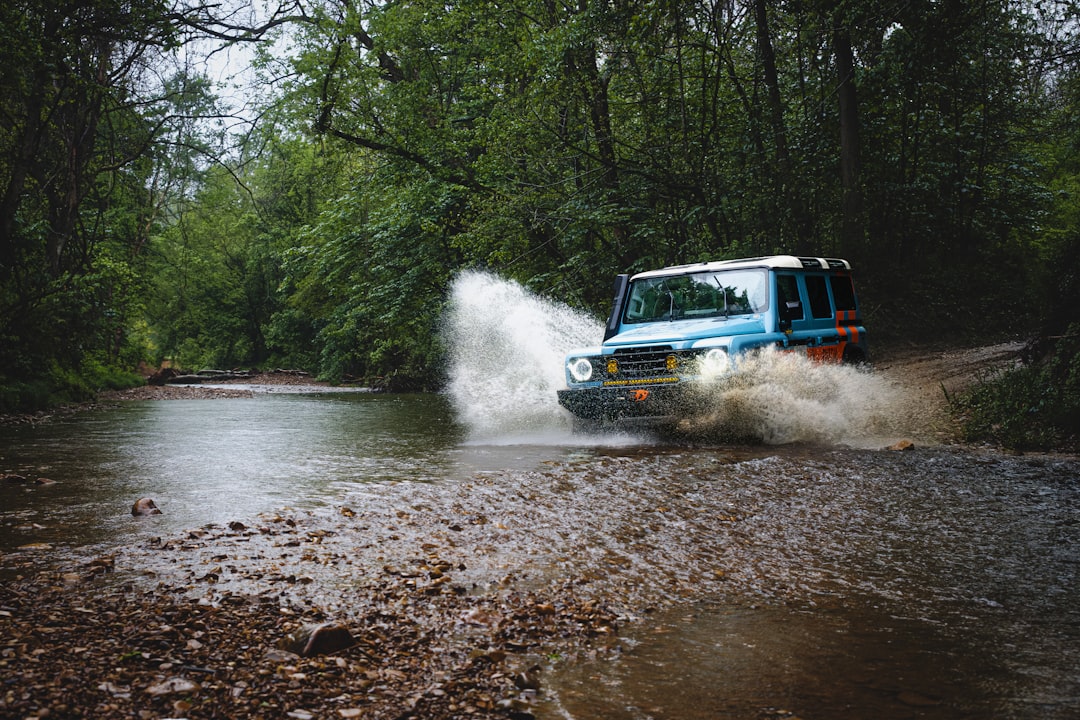
Photo by Thomas Tucker on Unsplash
Safety note: This guide covers portable and semi-permanent water storage. If you plan to permanently weld or bolt a large tank to your vehicle frame or skid plate, consult a qualified fabricator - improper mounting can shift your center of gravity and create serious handling risks on off-camber terrain.
Why Your Water System Matters More Than Your Roof Rack
Experienced overlanders will tell you the priority hierarchy is simple: water, shelter, fire, food - in that order. Every dollar you spend on a roof rack or light bar is wasted if you’re cutting a trip short because you ran dry on day two.
A thoughtful water system does three things: it stores enough capacity for your trip duration, it keeps water accessible without major disruption to your gear layout, and it gives you a backup option when your main supply runs low or you need to collect and treat water from a natural source.
You do not need a $400 ARB-style transfer tank to accomplish any of this.
How Much Water Do You Actually Need on the Trail?
The standard planning figure is one gallon per person per day for drinking and basic hygiene. For cooking and washing dishes, add another half gallon. In desert conditions or during summer heat, push drinking water to two gallons per person per day.
For a solo weekend trip (two nights), that’s 3-4 gallons minimum. A two-person long weekend adds up to 9-12 gallons before you add any safety buffer.
In our experience running two-person trips in the Southwest, we carry 10 gallons in primary storage and always have a 3-gallon backup filtered reserve. We’ve never come close to running out, even accounting for camp cooking and cleanup. That said, always carry at least 20% more than you think you’ll need - conditions can change, trips run longer than planned, and other groups on the trail sometimes need help.
Choosing Water Containers for Overlanding
The container is the foundation of your system. You have three main options at the budget end of the spectrum.
Collapsible water jugs are cheap and pack flat when empty. They work fine for short trips but can develop small leaks along the seams after repeated use. Not recommended as your primary container for anything longer than a one-night trip.
Rigid jerry cans are the overlander standard for good reason. They stack, they seal reliably, and they’re easy to pour from. We’ve been using a pair of Reliance Products Aqua-Tainer 7 Gallon containers for three seasons without issue. At under $25 each, two of them give you 14 gallons of primary storage - more than enough for a long weekend for two people.
Military surplus water cans are another option if you find them at surplus stores. They’re heavy-duty and designed for rough handling, but original spigots can be hard to source and plastic can retain odors if not cleaned and aired out between trips.
For most overlanders, two or three rigid plastic containers in the 5-7 gallon range is the most practical and affordable starting point.
Storage Location
Where you put your water matters almost as much as what you put it in. Heavy water containers placed high - on a roof rack or elevated cargo platform - raise your center of gravity. This is a real concern on off-camber terrain or side slopes. Keep primary water storage as low as possible: in the bed, behind rear seats, or in a low-mounted gear box.
If you’re running a DIY sleeping platform in your truck bed, water containers can live under the platform in the side pockets or at the foot end of the sleeping area, keeping the weight exactly where you want it.
Water Filtration on a Budget
Even if you’re carrying enough water from home to complete your trip, a filter is worth having. Water sources can fail - containers crack, group members use more than expected, and having a filter extends your operational range without adding meaningful weight or cost.
The Sawyer Squeeze Water Filtration System is the most versatile option under $40. It threads onto standard water bottle openings, works inline on a hydration bladder, and filters down to 0.1 micron, removing bacteria and protozoa without chemicals or battery power. We keep one clipped to our camp pack as standard kit on every trip.
The LifeStraw Personal Water Filter is a solid backup under $20. It’s a straw-style filter with no moving parts, a 1,000-gallon rated lifespan, and it’s essentially indestructible. Less versatile than the Sawyer for camp cooking use (you drink directly from a water source through it), but ideal as an emergency backup every person in your group should have.
For longer trips or group travel, a gravity filter lets you batch-filter a full pot of water while you’re cooking - hands-free and scalable without much added cost. The Sawyer Gravity System uses the same filter element as the Squeeze and is worth looking at for group use.
Per the CDC’s guidance on emergency water storage and safety, sealed commercial water containers can remain safe for up to six months. Any time you’re filling from a natural source - creek, spring, or pond - filtration is non-negotiable.
Optional: Adding a 12V Pump for Low-Pressure Delivery
A pump is not required for a functional trail water system, but it makes daily camp life meaningfully more comfortable - especially if you’re cooking, washing dishes, or cleaning up regularly.
The most common budget approach is a 12V inline pump (typically 1-2 GPM) connected to a main tank, with a short run of food-safe tubing and a simple outdoor-style spigot. The full setup can be sourced for $40-60 if you shop around.
If you’re building a permanent or semi-permanent install, tie the pump into your auxiliary battery circuit rather than the starter battery. Our guide to budget dual battery setups for overlanding covers the electrical side of this - including isolators, wiring gauge, and fuse sizing - in detail.
For casual weekend use, a hand pump or gravity-fed spigot attached directly to your water container works just as well with zero electrical complexity.
Keeping Your Water Clean in Storage
A few habits that make a real difference over time:
Store water containers out of direct sunlight. UV exposure and heat accelerate algae growth and degrade plastic containers faster than most people realize.
Clean containers between trips. A rinse with a diluted bleach solution (eight drops of unscented household bleach per gallon of water, per CDC guidance) followed by a full drain and air-dry cycle prevents biofilm buildup.
Don’t top off a half-empty container that has been sitting for more than a week. Dump it, clean the container, and refill fresh.
Label your containers with the fill date and water source if you’re mixing tap water and filtered trail water in the same system.
Recommended Products
These are the water system components we’d start with on a budget build:
- Reliance Products Aqua-Tainer 7 Gallon Water Container - Reliable rigid storage, stackable, around $23 each. Two gives you 14 gallons of primary carry capacity.
- Sawyer Products SP131 Squeeze Water Filtration System - Versatile 0.1-micron filter, works inline or as a squeeze bottle. Under $35 and the most useful piece of water kit you can carry.
- LifeStraw Personal Water Filter - Compact emergency backup, under $20. Worth having in every pack, every trip.
As an Amazon Associate we earn from qualifying purchases at no extra cost to you.
Bookmark this guide and check out our budget dual battery setup for overlanding next if you’re planning to add a 12V pump to your water system.