How to Pick an Overlanding Vehicle on a Tight Budget
Buying your first overland rig without breaking the bank is entirely possible, but it takes patience, a realistic checklist, and the discipline to walk away from a truck that looks trail-ready but costs a fortune in repairs before it ever leaves the pavement.
In our experience shopping budget rigs for this site, the biggest mistake new buyers make is paying a “trail-ready” premium for a vehicle that still needs $3,000 in deferred maintenance. The goal is to find a mechanically sound platform first and add capability later.
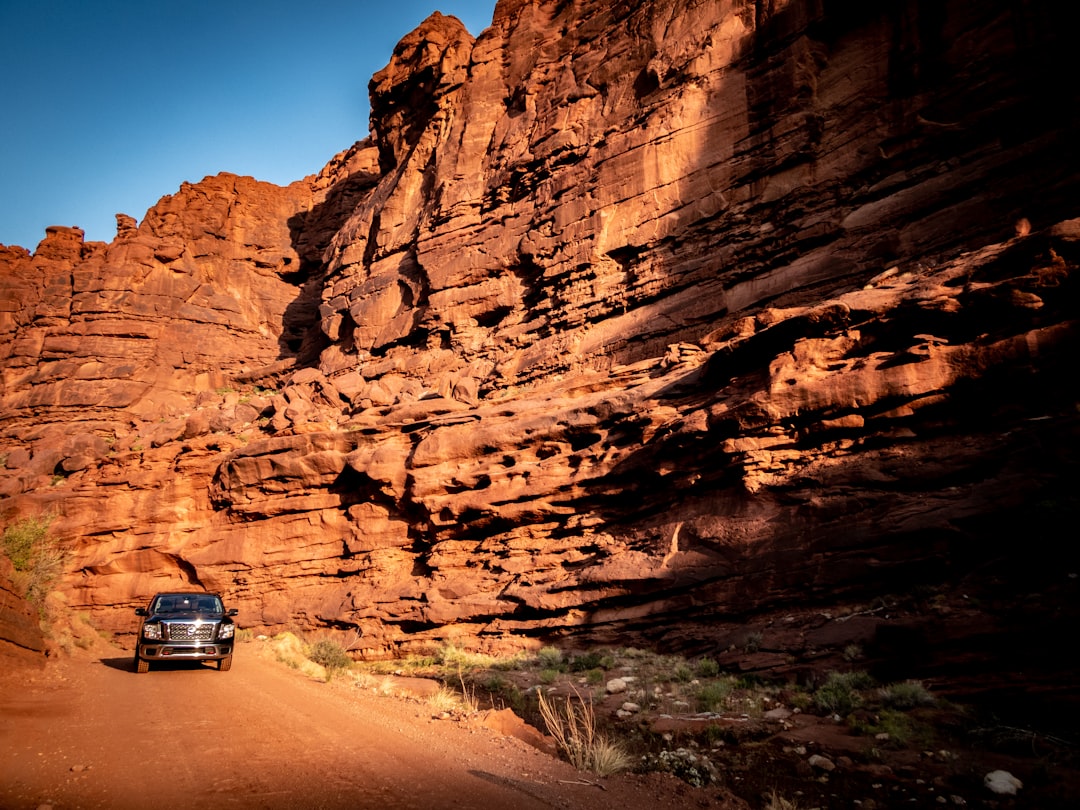
Photo by Mike Newbry on Unsplash
Safety Note: When test-driving or inspecting any used vehicle, never crawl under it without proper jack stands in place. Hydraulic jacks and floor jacks can fail. If you find evidence of frame damage, suspension damage, or serious rust, have a licensed mechanic evaluate it before you buy.
Set a Realistic Total Budget, Not Just a Purchase Price
The sticker price is only the beginning. Before you set a maximum bid on any vehicle, map out your full first-year budget:
- Purchase price
- Immediate maintenance (fluids, filters, tires, brakes)
- Registration, taxes, and insurance
- Starter trail gear (recovery straps, traction boards, first aid kit)
A rough rule: expect to spend 15-25% of the purchase price on initial maintenance on any used vehicle over 100,000 miles. If the truck costs $8,000 and needs $2,500 in work to be reliable, your real cost is $10,500. That changes the math.
Which Platforms Make Sense Under $15,000
Not every vehicle that looks tough is actually a good budget platform. The best budget overland vehicles share a few traits: common parts, a large aftermarket, proven reliability, and a community large enough that answers to any problem are two forum posts away.
Toyota 4Runner (3rd and 4th Gen)
The 3rd gen (1996-2002) and 4th gen (2003-2009) 4Runner remain the most recommended budget platform in the overlanding community, and for good reason. Parts are cheap, the 4.0L V6 (4th gen) is nearly bulletproof, and high-clearance suspension lifts start around $400. You will pay a slight Toyota tax when buying, but you save it back in reliability and resale.
Jeep Cherokee XJ
The XJ Cherokee (1984-2001) is arguably the best dollar-per-capability value in used overlanding. The 4.0L inline-six is one of the most reliable engines ever put in a production 4x4. A clean XJ under 150,000 miles with a decent body can still be found in the $3,500-$7,000 range. The aftermarket is enormous.
Watch for rust on the unibody frame rails and around the rear wheel wells. Surface rust is cosmetic; frame rust is a deal-breaker.
Ford F-150 / Ranger (Body-on-Frame, 1997-2008)
The Ranger and F-150 of this era offer cheap entry, easy maintenance, and broad parts availability. The 4.0L SOHC V6 in the Ranger has a known timing chain issue that is worth asking about. The 4.6L and 5.4L Triton engines in the F-150 can have spark plug issues on the 3-valve variant.
Neither platform has quite the cult following of Toyota or the XJ, which means prices are lower and buyers are fewer.
Toyota Tacoma (1st Gen, 1995-2004)
The 1st gen Tacoma is still considered one of the strongest small trucks ever built for the price. The 2.7L 4-cyl is capable and fuel-efficient; the 3.4L V6 is the preferred trail engine. Watch for frame rust on early models, particularly in salt-belt states. Toyota issued a buyback and extended warranty for severe frame rust on certain years, so check the VIN.
What to Inspect Before You Buy
A clean Craigslist listing can hide a lot. When we went through our own rig purchase, we found a truck that looked great in photos but had two fault codes and a leaking rear diff seal on inspection. We walked away. The next one was cleaner mechanically and cost $400 less.
Bring an ANCEL AD310 OBD2 Scanner to every used 4x4 inspection. Plug it into the OBD port (under the dash, driver’s side) before the seller clears codes. A clean scan doesn’t guarantee a healthy engine, but active codes tell you immediately what’s wrong without having to take the seller’s word for it.
Undercarriage Checklist
Get under the vehicle (safely, with the parking brake set on level ground) and check:
- Frame rails for rust, cracks, or previous repair welds
- CV axles and u-joints for play or torn boots
- Differential covers for dents or leaks
- Skid plates, if equipped, for severe impact damage
- Exhaust system for rust-through
Fluids and Filters
Pull the oil dipstick. Milky or foamy oil means coolant contamination - potential head gasket failure. Check the coolant reservoir for an oily film on top. Check transmission fluid color (dark brown or burnt smell is a flag). Fresh fluid on an old truck doesn’t always mean healthy; sometimes it means someone masked a problem.
Check Recalls and Vehicle History
Before any in-person inspection, run the VIN through the NHTSA recall database to check for open safety recalls. On older vehicles these are often cheap to resolve through a dealership at no cost to you. The Toyota Tacoma frame rust campaign, for example, was handled entirely by Toyota at no charge on qualifying VINs.
A paid vehicle history report (Carfax or AutoCheck) is worth the $40 before spending a day driving to see a truck. It won’t catch everything, but it flags title issues, odometer rollbacks, and major accident history.
Test Drive
Drive it on the highway long enough to get the engine fully warmed up, then onto a surface road. Listen for:
- Clunking on acceleration or deceleration (driveline slack)
- Vibration above 50 mph (tire or driveline balance)
- Pulling to one side under braking
- Grinding or thumping on turns (CV joint or diff issue)
Parts Availability and Repair Cost
One of the most underrated factors when picking a platform is how much it costs to fix something. A used Toyota LandCruiser is an impressive vehicle, but a front axle shaft can run $300-$500 per side. The same job on a Cherokee XJ is $80.
Before you commit to any platform, look up the cost of:
- Timing belt or chain service (if applicable)
- Water pump
- Front CV axle (each side)
- Brake pads and rotors
- Lift kit (even a 2” budget lift)
If the math scares you, move to a different platform.
Mileage vs. Condition
High mileage is not automatically a deal-breaker on a Toyota or a Jeep 4.0. A 200,000-mile 4Runner that has been maintained on schedule is more reliable than a 120,000-mile one that has never seen fresh coolant. Ask for service records. If there are none, price accordingly.
As a rough guide, a well-maintained example of any of the platforms above should have 250,000+ miles left in it with normal care.
For more on getting started without spending a fortune, see our guide to overlanding on a budget and our breakdown of overlanding with a stock vehicle before you start modifying.
What to Skip at This Budget Level
Some 4x4s look appealing on paper but create budget headaches:
- Full-size diesel trucks (under $12,000): Diesel maintenance and repair costs are significantly higher. A used Power Stroke or Duramax at this price point is likely past its maintenance window.
- Land Cruiser 80-series: Great platform, but prices have climbed past $15,000 for clean examples and parts are expensive relative to Toyota trucks.
- Lifted trucks with unknown suspension work: A suspension lift done incorrectly is worse than stock. If you can’t verify who did the lift and what parts they used, factor in a suspension audit before you trust it on trail.
Recommended Products
Once you’ve found your rig, a few items should be in the truck before any trail run. These are the minimums we’d want on any vehicle heading off-pavement for the first time.
- ANCEL AD310 OBD2 Scanner - Runs about $25. Worth keeping in the glovebox permanently so you can read and clear codes on the trail without visiting a parts store.
- Stanley 30-Amp Jumper Cables - Heavy-gauge cables with a long enough reach to work from awkward angles on the trail. An older or marginal battery in a used rig is common, and these take 10 minutes to earn their keep.
- AUDEW Portable Air Compressor - Airing down for trail traction and airing back up for highway is one of the highest-impact things you can do for free. A portable 12V compressor makes it practical.
As an Amazon Associate we earn from qualifying purchases at no extra cost to you.
The Best Vehicle Is One You Can Afford to Keep Running
The platform matters less than people on forums will tell you. A Toyota is excellent. So is a well-maintained XJ or a clean Ranger. The most important question is whether you can afford to keep it running and build on it over time.
Start with something mechanically honest. Drive it stock for a season. Learn where it struggles before you start bolting things on. For a realistic first-build breakdown, see our budget overland build under $2,000 guide.
When you’re ready to take your first trip, bookmark this guide and revisit our overlanding for beginners overview for route planning, gear priorities, and what to expect on your first overnight run.