Best Budget CB Radios for Overlanding (2026 Guide)
When you are deep in the backcountry with no cell service and your convoy partner disappears around a blind corner, reliable communication gear is the difference between a smooth outing and a stressful one. CB radio remains the most practical and affordable option for overlanding communication - no license, no monthly fees, and no apps that stop working when the network drops.
This guide covers the best budget CB radio options for overlanders, what to look for before you buy, and a few other communication tools worth considering for trail use.
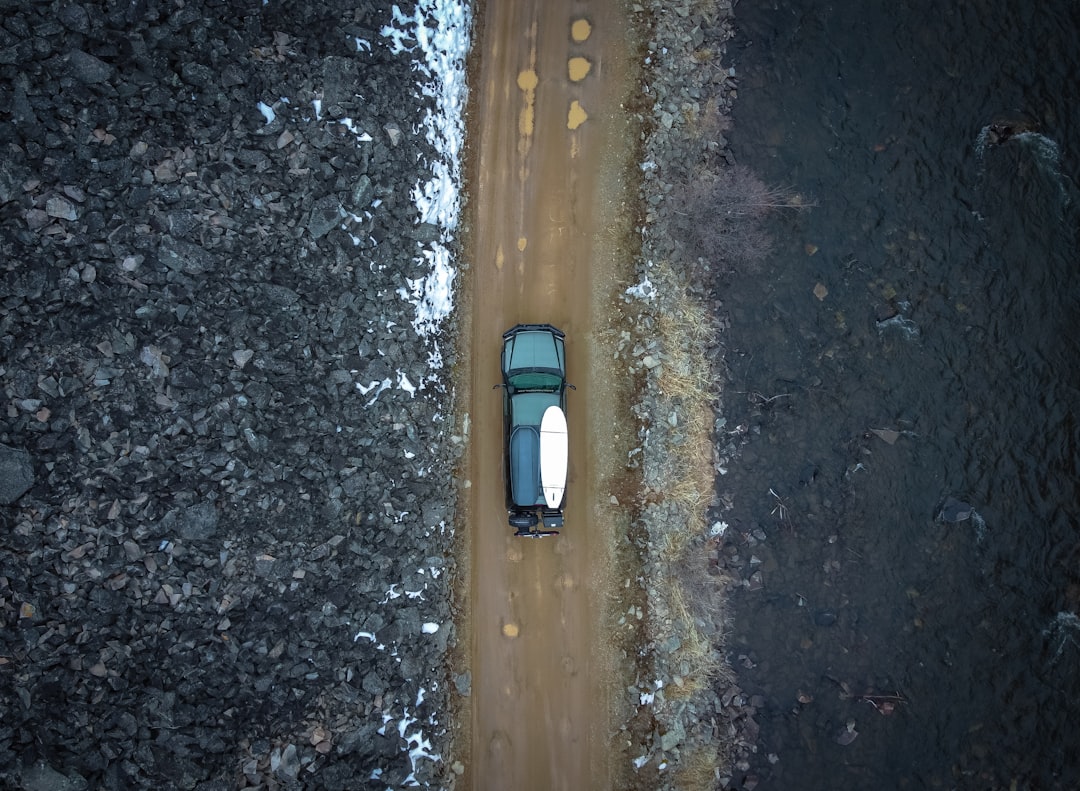
Photo by Chris Cordes on Unsplash
Safety Note: Installing a CB radio involves routing cables through your vehicle’s interior and potentially drilling for an antenna mount. If you are not comfortable with basic automotive wiring, use a magnetic antenna base to avoid permanent modifications or have a shop do the mount. Never run cables near moving parts, fuel lines, or sharp edges without proper protection.
Why CB Radio Still Wins for Overlanding Communication
Cell-based apps and messaging platforms work fine for trip planning, but they fail exactly when you need them most: in remote canyons, dead zones, and mountain passes. CB radio works independently of any network infrastructure. Every channel is open, channel 9 is monitored by emergency services in many areas, and channel 19 is the go-to trucker monitoring channel for road updates on major routes.
In our experience running convoy trips in the Ozarks and Southwest desert, CB cuts through situations where GMRS handhelds start breaking up at range. It is not glamorous, but it works consistently where nothing else does.
According to the FCC Citizens Band Radio Service, CB radio operates on 40 channels in the 27 MHz band, requires no license, and is limited to 4 watts AM output - which is more than enough for vehicle-to-vehicle convoy use. For a broader overview of how CB technology developed, Wikipedia’s Citizens Band Radio article covers the full history and technical background.
What to Look for in a Budget CB Radio
Not all CB radios are worth your money. Here is what matters when you are shopping on a budget.
Full 40-channel coverage: Some older or cheaper units only cover 23 channels. Skip those entirely - you want access to all 40.
RF gain control: This lets you reduce incoming signal strength to cut noise on busy channels. It is a small feature that makes a real difference on crowded trails or highway passes.
Weather channels: Some units include NOAA weather monitoring. For multi-day trips this is a genuine safety feature worth having.
Build quality: The radio lives under your dash or on a mount and gets vibrated constantly on rough trails. Cobra and Uniden have earned their reputations in this price range. Lesser-known brands with identical specs often develop squelch issues or mounting failures within a season.
SWR meter: Not essential at first, but useful if you tune your own antenna. High standing wave ratio can damage the radio’s final transistor stage over time.
Best Budget CB Radios for Overlanding
These are the three units we would put in a budget build without hesitation.
Cobra 19 MINI
The Cobra 19 MINI is the easiest install in this category - compact enough to fit under the dash, in a center console cubby, or on a RAM mount without taking up much real estate. It covers all 40 channels, includes automatic noise limiting, and the controls are simple enough that a passenger can operate it without explanation. At this price point, it is the most popular first CB radio for overlanders for good reason. Cobra 19 MINI on Amazon
Uniden PRO505XL
The Uniden PRO505XL is a classic in the overlanding community. We have seen these radios mounted in work trucks that get used hard daily and just keep running season after season. It is a no-frills, full-40-channel radio with a solid squelch system and a larger speaker than most compact units. If you care more about durability than feature count, this is the one to get. Uniden PRO505XL on Amazon
Cobra 29 LTD
The Cobra 29 LTD is the upgrade pick in this guide - still well under $100, but adds a built-in SWR meter, RF gain control, and a stronger final amplifier stage. It is a larger unit, so you need dedicated space for a proper mount. If your rig has a dedicated center console slot or you are building out a cab console, the extra few dollars for this one are worth it. Cobra 29 LTD on Amazon
CB Antenna Options for Budget Overlanders
The antenna matters as much as the radio. A mediocre radio with a good antenna will outperform an expensive radio with a poor one every time.
Firestik FS series (2 to 4 ft): The most popular trail antenna at any budget. Tunable tip, strong mount, proven on rough terrain. A 3-foot Firestik hits the sweet spot between gain and branch clearance.
Magnetic mount antennas: If you do not want to drill, a magnetic mount on the roof or hood works well for trips. Performance drops slightly compared to a fixed mount, but it is more than adequate for convoy use and easy to remove between trips.
Co-phase dual antenna setups: Overkill for most overlanders. Reserve this for long-distance solo travel where range matters more than simplicity.
Tune your antenna for minimum SWR before your first trip. A reading above 2.0 means you are bouncing power back into the radio. The Cobra 29 LTD’s built-in SWR meter makes this straightforward. If you buy the 19 MINI or PRO505XL, borrow an SWR meter or have an antenna shop check it.
Other Communication Gear Worth Considering
CB is not the only option worth knowing about. Here is a quick look at what else makes sense depending on your use case.
GMRS radios: General Mobile Radio Service handhelds require a $35 FCC license (covers your whole family, valid for 10 years) and operate in the UHF band with clearer audio than CB. Range is comparable or better in flat terrain. They pair well with CB for larger groups where some rigs do not have a CB install yet.
Satellite communicators: For solo travel or truly remote routes, a Garmin inReach or SPOT device provides SOS capability that no other option matches. These are not convoy communication tools, but for emergency signaling they are unmatched. Our solo overlanding safety guide covers these devices in more detail alongside other essential safety gear.
GMRS repeaters: Some trail systems have installed GMRS repeater networks that extend range significantly in mountainous terrain. Check trail community forums for your area before investing in a full GMRS setup.
For a broader look at what to carry when things go wrong on trail, see our overland recovery gear guide.
Installing Your CB: Key Tips
Run your power leads directly to the battery with an inline fuse, not through the vehicle fuse box. This reduces noise pickup significantly and avoids voltage drop from shared circuits. Keep the coax away from ignition wires and anything that pulses - gauge clusters, LED strips, and inverters all generate RF noise that degrades receive quality.
Set squelch just above the noise floor - tight enough to kill static, loose enough that weak signals still get through. Resist the urge to run squelch fully open or fully closed on trail.
Recommended Products
- Cobra 19 MINI AM/FM Recreational CB Radio - Best compact pick
- Uniden PRO505XL 40-Channel CB Radio - Most durable budget option
- Cobra 29 LTD Classic AM/FM Professional CB Radio - Best full-featured budget pick
As an Amazon Associate we earn from qualifying purchases at no extra cost to you.
Bookmark this guide and check out our overlanding for beginners guide next - it covers the full picture of gear priorities for your first build.