Overland First Aid Kit: What to Carry and Why
You’re 40 miles from the nearest cell signal when your trail partner slips on a wet rock shelf and opens a deep gash on their forearm. Your $8 pharmacy first aid kit has a few adhesive bandages and some alcohol wipes. That is not going to be enough.
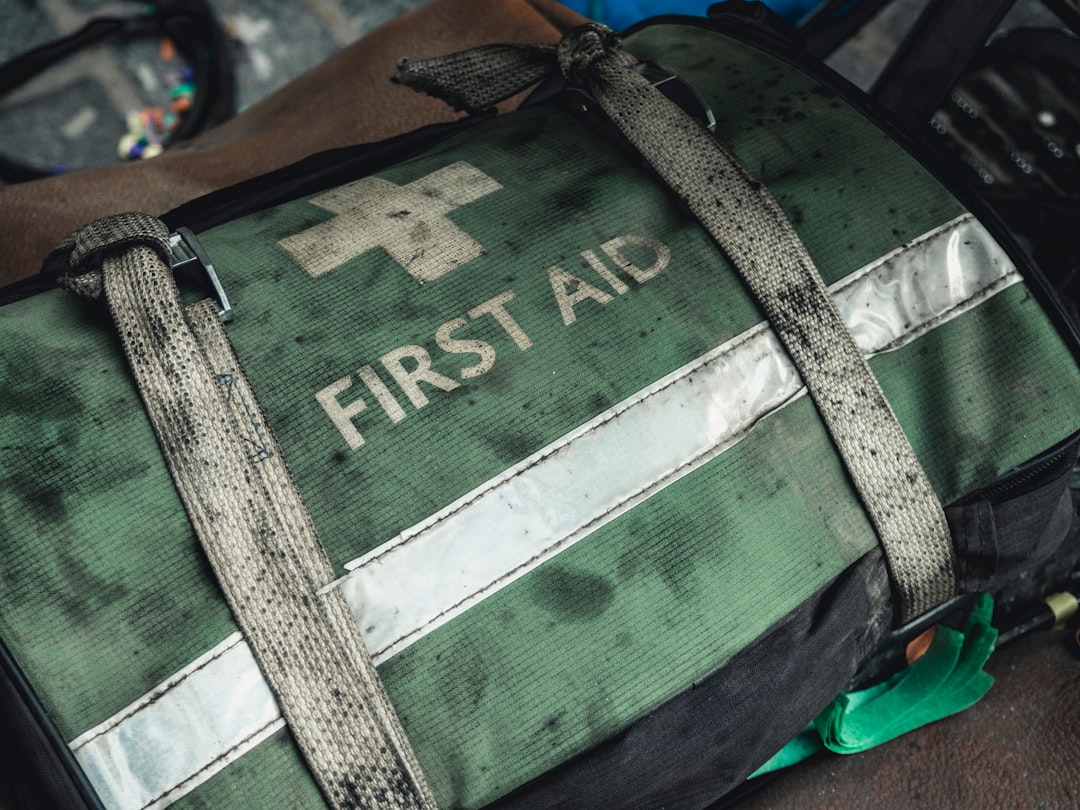
Photo by milan degraeve on Unsplash
Overlanding puts you in situations where the nearest emergency room can be an hour or more away - sometimes with no cell service to call ahead. Standard car first aid kits are designed for roadside fender benders, not backcountry trail emergencies where help is slow and the terrain is unforgiving. Building a proper overland first aid kit does not require becoming an EMT, but it does require knowing which gaps to fill and which items actually matter when you are genuinely remote.
This guide covers the essentials, the trauma upgrades, how to organize everything for fast access, and the budget-friendly kit options we have tested. Whether you are day-tripping or doing multi-day expeditions, this is what belongs in your rig.
Why Standard Car First Aid Kits Fall Short on the Trail
The kits sold at gas stations and big-box stores are optimized for minor convenience - minor cuts, headaches, and the occasional blister. They are not built around the realities of off-road travel. When we started overlanding on a tight budget, we assumed a basic kit was better than nothing. It is, but barely.
The specific gaps that matter most on the trail are in wound closure (adhesive bandages do not hold in wet, dirty field conditions), bleeding control (no tourniquets, no wound packing supplies), splinting capability (nothing for a suspected fracture or severe sprain), and blister or foot care beyond a few generic pads. There is also typically nothing to manage a severe allergic reaction, no way to flush debris from eyes effectively, and no real documentation for symptoms over time.
The other issue is packaging. Pre-built kits are organized for a nurse at a desk, not someone with adrenaline running who needs to find a specific item by feel in the dark. Trail first aid organization matters almost as much as content.
Core Items Every Overland First Aid Kit Needs
Think of your kit in tiers. The core tier covers the everyday stuff - the injuries that are common on the trail but not immediately life-threatening. The trauma tier (covered in the next section) covers the serious incidents.
Here is a breakdown of what belongs in the core tier and why each item earns its space:
| Item | Why It Matters on the Trail |
|---|---|
| Nitrile gloves (multiple pairs) | Infection control when treating others - single-use, always double up |
| Irrigation syringe (20-35ml) | Flush wounds with clean water under pressure - dramatically reduces infection risk vs. wiping |
| Wound closure strips (Steri-Strips) | Hold deep lacerations closed better than standard bandages in dirty field conditions |
| Gauze pads (4x4 and 2x2) | Wound coverage and packing - buy more than you think you need |
| Medical tape (1” and 2”) | Holds everything else in place - get cloth medical tape, not the plastic kind |
| SAM splint | Flexible foam splint that works for wrists, ankles, and forearms - lightweight, folds flat |
| Elastic bandage (ACE-style, 4”) | Compression for sprains and to secure splints |
| Moleskin and blister treatment | Multi-day trips destroy feet - treat hotspots early before they become full blisters |
| Tweezers (fine-tip) | Cactus spines, splinters, tick removal |
| Eye wash (saline, 4oz) | Dust, debris, and plant material in eyes is extremely common off-road |
| Ibuprofen and acetaminophen | Pain and inflammation management - carry both because they work differently |
| Antihistamine (diphenhydramine) | Mild allergic reactions to plants, insects, and food - also doubles as a sleep aid |
| Antidiarrheal (loperamide) | Especially important on multi-day trips with unfamiliar water sources |
| Blister lancet | Safe, sterile way to drain blisters before they become infected |
| CPR face shield | Compact, disposable - belongs in every kit |
| Emergency mylar blanket | Hypothermia prevention for injured patients in shock or cold conditions |
In our experience building out kits on a budget, the items that get skipped most often are the irrigation syringe, wound closure strips, and the SAM splint. Those three omissions are responsible for the most preventable problems we have seen on group trips.
Trauma Essentials: The Gear That Saves Lives in Remote Emergencies
Overlanding does involve real trauma risk. Winch cable failures, vehicle rollovers, chainsaw work on downed trees blocking a trail, and falls on technical terrain are all scenarios where someone can sustain a life-threatening injury far from definitive care. Your kit should have at least a minimal trauma capability.
Tourniquet is the single highest-priority addition. A commercial tourniquet like the CAT (Combat Application Tourniquet) stops arterial bleeding from extremity wounds. A tourniquet that you cannot apply one-handed in the dark is not useful. Get one that you have practiced with. Mount it on the outside of the kit where it can be grabbed immediately - not buried inside.
Hemostatic gauze (QuikClot or Celox brand) is used for wounds where you cannot apply a tourniquet - junctions, neck, or torso. It accelerates clotting in wounds that are bleeding heavily. It is not a replacement for a tourniquet on extremity wounds, but it covers the gaps.
Chest seals are included in serious overland trauma kits for penetrating chest wounds. An occlusive chest seal prevents tension pneumothorax in a situation where a penetrating object has entered the chest. This sounds extreme for most overlanders, but if you are doing remote multi-week expeditions or running chainsaw work, a pair of seals weighs almost nothing and can make the difference in a critical situation.
Triangular bandage (cravat) serves multiple functions - arm sling, improvised splint tie, pressure bandage, head wrap. Carry two.
CPR mask (not just a face shield) allows more effective rescue breathing than a flat shield alone and reduces transmission risk.
The National Outdoor Leadership School’s wilderness medicine guidelines recommend that anyone leading groups in remote environments complete at minimum a Wilderness First Aid (WFA) course, which covers how to use all of the above correctly. Knowing the gear is only half the equation.
How to Organize and Pack Your Trail Medical Kit
Organization is where most DIY kits fail. If you have to dig through a 400-piece kit to find a chest seal in an emergency, the kit’s capacity is irrelevant.
Use a layered approach: keep trauma items (tourniquet, hemostatic gauze, chest seals) in an exterior pouch or clip on the outside of the bag where they are immediately accessible. Core wound care goes in the main compartment. Medications and minor care items go in a secondary inner pouch.
Label your pouches. In high-stress situations, clear labels save time. Color coding helps too: red pouch for trauma, clear pouch for medications, gray or green for general wound care.
Keep your kit in a consistent location in the vehicle. Every person on the trip should know where it is. In our experience, the driver knowing and only the driver knowing is a setup for failure - if the driver is the patient, someone else needs to retrieve the kit without asking.
A water-resistant soft bag is usually preferable to a rigid case for trail use because it compresses, does not crack in cold weather, and fits into awkward storage spaces. Make sure the zipper is large enough to open with gloves on.
Inspect and restock after every multi-day trip. Medications expire, gloves get used, and bandages get damp. A kit that has not been inventoried in 18 months is not a reliable kit.
Budget First Aid Kit Options Compared
If you want to start with a pre-built foundation and customize from there, a few options are worth your attention.
The Adventure Medical Kits Adventure First Aid Medical Kit 2.0 is a well-organized compact kit with a solid core of wound care supplies. It is missing trauma items, but as a base layer for general trail injury management it is among the best organized pre-built kits we have tested. The labeling and compartment layout is genuinely useful in the field.
The VRIEXSD 400 Piece Large First Aid Kit gives you volume at a low price point. It has more redundancy on consumables (gauze, bandages, gloves) than most compact kits, which matters when you are treating multiple people or dealing with a heavily bleeding wound. It is not as well-organized as the AMK, but for a group kit that gets restocked regularly, it is hard to argue with the value.
The Outdoors First Aid Kit for 4x4 Off-Road Vehicles is specifically designed for off-road use, with a water-resistant case and content selection that reflects trail-specific injuries. The case design alone is worth noting - it mounts cleanly in a vehicle interior and opens with one hand.
None of the pre-built options include trauma-tier items. Plan to add a tourniquet, hemostatic gauze, and chest seals regardless of which base kit you choose. Those are the items that bridge the gap between a trail aid kit and a kit that can handle a real emergency.
Common Mistakes Overlanders Make with Trail Medical Prep
Relying on getting a cell signal. In our experience running remote desert routes and mountain trails, the assumption that you will be able to call for help within 30 minutes is often wrong. Build your kit around a 4-hour delay before definitive care arrives, not a 15-minute ambulance response.
Not knowing how to use what they carry. A tourniquet you have never practiced with is significantly less effective in a real situation. Even 30 minutes of practice with a trainer tourniquet dramatically improves application speed and correctness. The same applies to hemostatic gauze packing - the technique matters as much as the product.
Skipping medications. Many overlanders build excellent wound care kits but neglect medications. Ibuprofen for a swollen sprained ankle can make the difference between someone walking out and needing an extraction. Antihistamines for allergic reactions to plants or insects are critical on extended trips.
Not accounting for the environment. A kit for the Pacific Northwest needs more blister care and water-related supply (waterproof tape, antifungal) than a kit for the Mojave. A desert kit needs more eye wash and sun-related supplies. Tailor your kit to where you actually go.
Storing the kit where it cannot be reached. A first aid kit under 200 pounds of gear is not accessible. If your kit is buried in the bed box under recovery gear, it is effectively not there when you need it.
If you are building out your solo setup, our solo overlanding safety guide covers additional considerations for running trails alone, including communication and self-rescue planning.
Frequently Asked Questions
How much should I spend on an overland first aid kit?
A solid functional kit - pre-built base plus trauma additions - runs between $80 and $150. The bulk of the cost is the trauma items (tourniquet: $25-30, hemostatic gauze: $20-30). The core wound care kit can be assembled for under $50 or purchased pre-built. Avoid the impulse to build cheaply on the trauma items specifically. A discount tourniquet that fails under tension is worse than no tourniquet.
Do I need a first aid certification to carry this gear?
No certification is required to carry any of these items. However, a Wilderness First Aid (WFA) course - typically 16 hours over a weekend - gives you the practical training to use all of it correctly under stress. It is one of the best investments you can make for remote travel. Many community colleges and outdoor education organizations offer these courses for $150-250.
What medications should I include?
At minimum: ibuprofen (200mg), acetaminophen (500mg), diphenhydramine (25mg antihistamine), loperamide (antidiarrheal), and antacids. If you or anyone in your group has a known severe allergy, carry an epinephrine auto-injector (EpiPen) if prescribed by your doctor. Prescription medications for group members are their responsibility to carry - your kit covers the gaps.
How do I know when something is beyond trail first aid?
The general rule from wilderness medicine: if you cannot manage the condition with the supplies and training you have, and the patient’s condition is deteriorating or could deteriorate, initiate evacuation. Symptoms that always warrant evacuation include: altered mental status, chest pain or difficulty breathing, severe abdominal pain, suspected spinal injury, any injury that prevents normal walking on flat ground, and wound infections showing spreading redness, heat, or fever.
Should I carry a personal locator beacon (PLB) alongside a first aid kit?
Yes. A PLB or satellite communicator like a Garmin inReach is the communication layer that makes your first aid kit more effective - it gets help moving toward you while you manage the patient. A well-stocked first aid kit and a working PLB together are the baseline for responsible remote travel. Neither alone is the full answer.
Wrapping Up
A proper overland first aid kit is not a luxury item or a sign that you are paranoid about trail risks. It is the honest acknowledgment that remote travel involves real exposure - and that the people who go with you are depending on you to be prepared. The good news is that a genuinely useful kit is achievable on a budget. Spend the most on the trauma items, organize for speed of access, learn to use what you carry, and inspect after every trip.
Bookmark this guide and check out our overland recovery gear guide next - because the scenarios where you need a first aid kit often involve the same situations where recovery gear matters.
Recommended Products
- Outdoors First Aid Kit for 4x4 Off-Road Vehicles
- VRIEXSD 400 Piece Large First Aid Kit
- Adventure Medical Kits Adventure First Aid Medical Kit 2.0