Best Overlanding Headlamps and Lighting Under $75
Most overlanders budget carefully for recovery gear, tires, and communication equipment, then grab a $12 headlamp from the checkout lane at the hardware store on the way out of town. We have made that mistake. At 2 a.m. on a forest service road with a flat tire and a headlamp that dies after 45 minutes, you will not make it again.
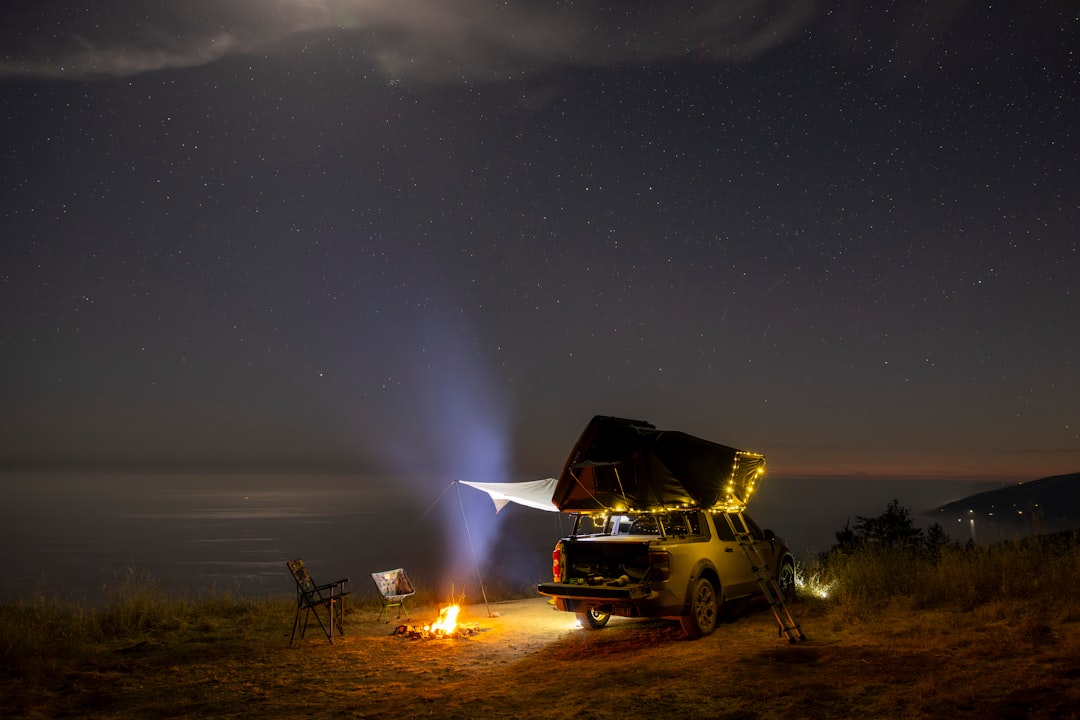
Photo by Leo_Visions on Unsplash
Good lighting on the trail is a safety item as much as a convenience item. Whether you are changing a wheel in the dark, rigging a recovery, walking a campsite perimeter, or navigating to a water source at midnight, your lighting determines what you can do safely and how fast you can do it. The good news: you do not need to spend a lot. The best overlanding headlamps and camp lights that genuinely perform in the field all fall well under $75, and a few are under $30.
This guide covers what to look for, our picks at three price points, and how to build a complete budget lighting kit so you are not fumbling for your phone when something breaks at night.
What to Look for in an Overlanding Headlamp
Not all headlamps are built for the same conditions. A headlamp designed for trail running weights light and optimizes for runtime at low lumens. An overlanding headlamp needs to handle something different: extended stationary use while your hands are inside an engine bay, red-light mode for not wrecking your night vision, a reliable battery story for multi-day trips, and enough brightness to actually see what you are doing under a vehicle.
Here are the specs that matter and why:
Lumens measure the total light output. For overlanding, you want a headlamp that can hit at least 200 lumens on its high mode. That sounds low, but 200 lumens at a focused beam goes a long way. The issue with most budget headlamps is not peak brightness: it is whether they can sustain that brightness for more than 20 minutes before stepping down. Look for a regulated output design that holds lumens steady, not a “max then fade” design.
Beam type breaks down to flood versus spot. Flood illuminates a wide area close to you, which is what you want when you are working at camp or under the hood. Spot throws a narrow beam far down the trail, useful when you are hiking or scouting. Most decent overlanding headlamps offer both, or a middle-ground mixed beam. Avoid single-mode headlamps that only throw a narrow spotlight.
Battery type is a real decision on the trail. Replaceable AAA or AA headlamps let you swap fresh batteries you already carry. Rechargeable USB headlamps save money over time and reduce waste, but require you to plan your charging around your 12V system or a solar setup. We have tested both on multi-day trips and generally prefer rechargeable headlamps that also accept standard batteries as a backup. That hybrid design is the most practical for overlanding.
Red light mode is non-negotiable. Using a white light at camp after dark blows out your night vision for 20 to 30 minutes every time. A red mode lets you navigate camp, read a map, or work on gear without losing your ability to see the dark around you. Some headlamps also include a green mode, which is particularly useful for tracking animals or hunting, but red is the core requirement.
IPX rating tells you how well the headlamp handles water. IPX4 means splash resistant from all directions. IPX7 means submersion up to 1 meter. For overlanding, IPX4 is the practical minimum. If you are likely to be working in rain or fording shallow crossings, IPX6 or IPX7 is worth prioritizing.
The ANSI FL1 standard, developed by lighting manufacturers, covers how headlamp specs are measured and reported. If a headlamp lists FL1-compliant ratings, you can compare specs across brands with confidence. Brands that do not list FL1 ratings are often using best-case-scenario numbers that do not reflect real-world runtime.
Best Overlanding Headlamps Under $75: Top Picks Compared
We looked at budget picks under $30, mid-range all-rounders, and rechargeable options. Here is how the top contenders compare:
| Headlamp | Price Range | Peak Lumens | Battery | IPX | Best For |
|---|---|---|---|---|---|
| LED Headlamp 2-Pack | Under $25 | 200+ | AAA | IPX4 | Budget, backup headlamp |
| Black Diamond Spot 400 | $40-50 | 400 | AAA/rechargeable | IPX8 | All-around trail and camp use |
| Fenix HM55R | $60-75 | 1500 | Rechargeable | IPX8 | High-output work and long trips |
All three earn their place in an overland kit at different roles. The 2-pack covers you and a trail partner at minimal cost. The Black Diamond is a proven workhorse for daily use. The Fenix is overkill for walking to the bathroom but genuinely useful when you need to see into a dark engine bay or scan a wide campsite.
LED Headlamp 2-Pack With Red Light Mode
The LED Headlamp 2-Pack lands under $25 for two headlamps, which makes it the obvious choice for outfitting a group or keeping a spare in the rig. We have used this style of budget headlamp as a vehicle-side emergency light for two seasons, and it holds up better than you would expect at the price point.
The red light mode works properly, the elastic strap adjusts to fit over a beanie, and the AAA batteries are something you already carry. The downside is the high mode brightness steps down after a few minutes, which is normal for unregulated LED designs. For stationary camp use and quick work tasks, it is not a problem. For extended under-hood work, we pair it with a magnetic work light so the headlamp is not the only source.
For a dedicated backup headlamp and a budget primary, this is the best dollar-per-lumen value available.
Black Diamond Spot 400
The Black Diamond Spot 400 is the headlamp we reach for most often on extended trips. At 400 lumens, it delivers enough output for real work tasks. The proximity mode dims automatically when you look down toward something close to you, which sounds gimmicky until you have been doing fuel system work for an hour and your pupils have adjusted. It actually matters.
The Spot 400 runs on three AAA batteries or, with the right adapter, a rechargeable pack. The IPX8 waterproofing means you can use it in hard rain without worrying. The strap system is padded and stable enough to wear for multi-hour sessions without it migrating down your forehead.
In our experience with the Black Diamond Spot series over several years, the build quality holds up to the kind of abuse that comes with trail use, including being dropped on rock multiple times. At around $40 to $50, it is a justified spend for a primary overlanding headlamp.
Fenix HM55R Rechargeable Headlamp
The Fenix HM55R is the high-end of this guide’s budget range, and it earns the premium with genuine output and a thoughtful design for hands-on work. At 1500 peak lumens, it is genuinely bright enough to illuminate a wide area around your rig, not just a single focused spot.
The dual-beam setup on the HM55R separates the flood and spot, so you can run wide area illumination for camp tasks or switch to throw light down a trail. The rechargeable battery charges via USB-C, which works with most portable power stations and 12V USB setups you likely already carry.
The trade-off is runtime. At max brightness, you are looking at about two hours. At the more useful 300-lumen setting, runtime extends to around eight hours. For overlanding use where you will mostly be at moderate brightness, the runtime is fine. If you are doing a full night of trail driving or recovery work, carry the spare.
Camp Lighting Beyond Headlamps
A headlamp handles personal task lighting. It does not handle camp-wide illumination, and trying to use it for both means either blinding everyone you talk to or wearing it all night. Camp lighting is a separate category with a separate budget, and you can cover it for very little.
LED lanterns are the practical choice for tent and table illumination. A collapsible LED lantern that packs flat and runs on AA or AAA batteries covers a 10 to 15 foot radius well enough for cooking, eating, and gear organization. The Black Diamond Moji and similar collapsible LED lanterns run $20 to $35 and are genuinely packable. We have also tested cheap rechargeable lanterns from Amazon; the quality is inconsistent, but models with decent reviews and a 300+ lumen rating are usually acceptable as a backup lantern.
String lights on a 12V circuit are a surprisingly practical camp addition that most overlanders overlook. A 10-meter run of LED string lights drawing under 5W from your auxiliary battery illuminates an entire campsite at a cost that will not register on your battery monitor. We have run string lights off a simple 12V outlet and left them on all evening without noticeable impact on battery state. They also make a campsite significantly more functional when multiple people are working on different tasks at once.
Magnetic work lights belong in your recovery and maintenance kit, not just your camp kit. A rectangular LED work light with a strong magnetic base attaches to your frame or body panel and points light exactly where you are working without requiring you to hold a headlamp position for an hour. We tested both a $25 magnetic work light and a $60 model side by side on the same repair task. The $25 version was adequate and has not failed after two years of use.
For a complete budget camp lighting setup, the combination of a quality primary headlamp, a backup headlamp, a collapsible LED lantern, and a magnetic work light covers every scenario we have encountered on the trail and comes in under $100 total.
Related reading: Overland First Aid Kit: What to Carry and Why covers another category of gear where spending a little more than the bare minimum pays off when you need it.
How to Power Overlanding Lights Without Draining Your Starter Battery
Lighting is a low draw by modern LED standards, but if you are running camp lights from your starter battery all night, you will eventually find a dead battery at 6 a.m. in a place where jumping your own rig is complicated. Power management is part of a complete lighting plan.
Battery-powered headlamps and lanterns are the simplest answer. A fresh set of AAA batteries in a headlamp will run it through a multi-day trip. Keep a small ziplock of spare batteries with your lighting kit. We keep a single-serve bag with eight AAA and four AA cells as standard kit; it weighs almost nothing and has gotten us out of more jams than anything else in the camp kit.
12V USB charging handles rechargeable headlamps cleanly if you have an auxiliary battery or a power station. The Fenix HM55R and similar USB-C headlamps charge from the same outlets you use for phones and camera gear. If your rig has a dual battery setup, this is not a concern. If you are running a single-battery vehicle, plan your charging around engine-on time or a small solar top-off panel.
Solar lanterns are worth considering if your trips are longer than three or four days and sun exposure is reliable. A solar lantern that soaks up daylight and runs through the night eliminates batteries entirely for camp illumination. The trade-off is consistency: in overcast or heavily tree-shaded campsites, solar lanterns underperform. We treat them as supplemental, not primary, for this reason.
For anyone building or upgrading a dual battery setup, check out our guide on budget dual battery setups for overlanding for a cost-effective approach to powering accessories without stressing the starter battery.
Common Overlanding Lighting Mistakes
Buying one headlamp and no backup. Headlamps fail at night because that is when you use them. One headlamp in a multi-person group is not a lighting plan. The LED 2-pack option exists specifically to solve this problem cheaply. Even if you prefer a premium primary headlamp, having a backup in the door pocket costs almost nothing.
Ignoring battery life at realistic brightness. Most headlamp specs list runtime at the lowest brightness setting, which can make a mediocre light look like it lasts all night. Read the runtime at the medium or high setting before you buy. If a headlamp claims 40 hours of runtime but only 2 hours on high, plan accordingly.
Using white headlamp light at camp after dark. Night vision takes 20 to 30 minutes to fully develop after white light exposure. Every time someone sweeps a white beam across camp, the whole group loses their ability to navigate the dark around the campsite. Establish a red light policy at camp once the sun goes down. It sounds fussy until someone needs to cross dark terrain quickly.
No camp-wide illumination. A headlamp is a personal tool. Using it as the only camp light means wearing it constantly and pointing it at everyone you talk to. A $20 LED lantern solves this and makes camp significantly more functional.
Storing headlamps with batteries installed. Batteries corrode in storage, and battery corrosion destroys headlamps. Remove batteries from any headlamp going into long-term storage, or store them with fresh batteries inserted right before the trip.
FAQ
How many lumens do I actually need for overlanding?
For most tasks, 200 to 400 lumens at a focused beam is more than enough. Walking camp, reading a map, and doing most maintenance work falls comfortably in that range. Where higher lumens pay off is wide-area scanning or when you need to illuminate an entire campsite from one point. The Fenix HM55R at 1500 lumens is genuinely more capable in those scenarios, but for the majority of overlanding use, the Black Diamond Spot 400 at 400 lumens covers everything.
Can I use a rechargeable headlamp without a shore power hookup?
Yes. Any vehicle with a 12V outlet or USB port can charge a USB-C or Micro-USB headlamp while the engine is running. A small portable power station can also serve as the overnight charging source. The key is to plan your charge cycles around driving time or a solar input so the headlamp is always ready for nighttime use.
Are cheap Amazon headlamps actually reliable for overlanding?
Some are and some are not. The most consistent issue with budget headlamps is brightness regulation. An unregulated headlamp starts bright and dims significantly over the first 30 to 60 minutes as batteries drain. For short tasks that is acceptable. For extended work sessions, it is frustrating. The LED 2-pack we recommend has been reliable for backup use, but we would not rely on an unreviewed budget headlamp as a primary light for serious trips.
What is the difference between IPX4 and IPX8?
IPX4 means protected against water splashing from any direction. IPX8 means protected against continuous immersion to a specified depth (usually 1 meter for consumer gear). For most overlanding use, IPX4 is sufficient. If you regularly work in heavy rain or make water crossings where gear can submerge, IPX7 or IPX8 adds meaningful protection.
Should I get a headlamp with batteries or rechargeable?
For overlanding, the most practical choice is a headlamp that supports both. The Black Diamond Spot 400 runs on standard AAA cells and can also use a rechargeable pack. That gives you the option to recharge when power is available and swap standard batteries when it is not. If your rig has reliable 12V charging, a fully rechargeable headlamp like the Fenix HM55R makes sense. If you are running a simpler single-battery setup, a AAA headlamp with spare batteries is the more reliable option.
Bookmark this guide or save it to your trip planning folder so it is there when you are putting together your lighting kit before the next trip.