Budget Axle and Differential Protection: What's Actually Worth It
Your differentials are some of the lowest-hanging components on your truck. They sit right in the strike zone for rocks, ledges, and high-centered obstacles. One solid hit to a bare diff housing can crack a casting, bend a drain plug, or puncture the cover. At that point you’re leaking gear oil in the middle of nowhere with no way to drive out.
The good news: protecting your axles and differentials doesn’t require spending $1,500 on full belly armor. The bad news: the budget protection market is full of products that look useful but add weight without adding real coverage. This guide breaks down what’s actually worth buying, what you can skip, and how to build real drivetrain protection without blowing your whole budget.
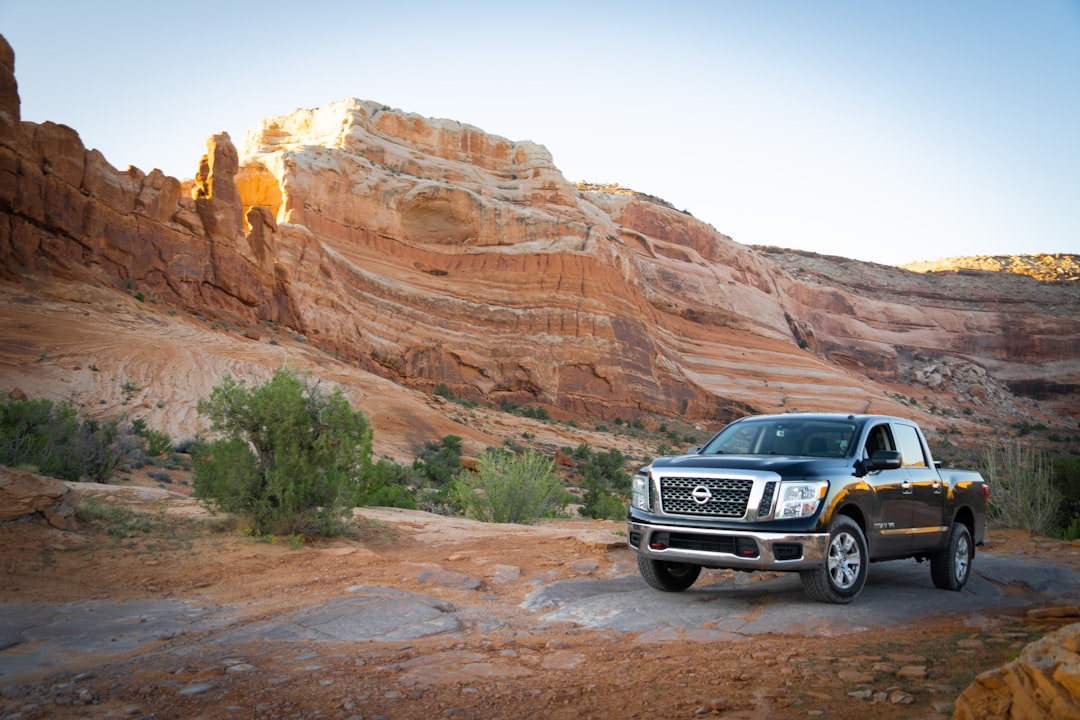
Photo by Mike Newbry on Unsplash
What Axle and Differential Protection Actually Covers
Before spending anything, it helps to understand what you’re protecting and why each component is vulnerable.
Your front and rear axles consist of a differential housing (the round center section) flanked by axle tubes extending out to each wheel. The differential housing contains the ring and pinion gears and the carrier, which splits power between your two wheels on each axle. The housing itself is cast iron or cast steel on most trucks, which means it’s strong against gradual wear but brittle against sharp point impacts.
The most exposed points are:
The differential cover. This stamped steel plate on the rear of the diff housing is typically the thinnest metal anywhere on your undercarriage. Most factory covers are around 1/8” stamped steel pressed into shape, which is fine for highway use but a liability on rocky terrain.
The front differential housing. On solid-axle trucks (Jeep Wranglers, Toyota Land Cruisers, older full-size trucks), the front diff sits low and forward, directly in the path of approach-angle obstacles. On independent-front-suspension vehicles, the front diff is slightly higher but still exposed.
The axle tubes. Less commonly struck than the diff housing itself, but a solid hit against a sharp rock can dent or crack an axle tube, which leads to seal failures and differential fluid contamination.
CV boots and axle shafts. On IFS vehicles, the CV joints are exposed and vulnerable. Rock strikes can tear a boot and contaminate the joint with grit in minutes.
Protection products address these vulnerabilities differently, and knowing which you actually face on your terrain matters before you spend anything.
Which Vehicles and Axles Need Protection Most
Not every overlanding setup carries the same risk. Some configurations are far more vulnerable than others, and matching your protection to your actual drivetrain is the first decision to get right.
Solid front axle trucks (Jeep Wrangler, Toyota FJ Cruiser, older Tacoma and 4Runner, full-size body-on-frame trucks with Dana 30/44/60 fronts) face the highest differential exposure. The front diff housing on these trucks is a fixed, prominent point at the front of the axle. It hits first when you’re climbing rocks or bridging ledges.
IFS trucks (newer Tacoma, Tundra, most modern midsize and full-size trucks) have the front differential set back and higher in the frame, with CV axles running down and out to each wheel. The diff housing itself is less exposed, but the lower control arms and CV joint area take impacts instead.
Rear axles on all trucks share similar vulnerability regardless of suspension type. The rear diff is the lowest point on most stock builds, sits behind the fuel tank on many platforms, and gets peppered with debris on any trail with loose rocks.
In our experience with Jeep-based builds, the front diff takes the most abuse. We’ve had the drain plug sheared off a stock Dana 30 on a trail that wasn’t even rated difficult. If you’re running a solid-axle platform on any rocky terrain, front diff protection should be the first armor item on your list, not the last.
Types of Differential and Axle Protection
There are four main categories of protection, and they work at different price points and coverage levels.
Differential skid plates are flat or formed steel plates that bolt below the differential housing and absorb impact before it reaches the casting. They range from simple flat plates welded to the axle truss to sophisticated formed pieces that wrap the front and bottom of the housing. Budget options in this category typically run $80-$200 for bolt-on plates. Higher-end options use thicker steel and more complex geometry to redirect force rather than just absorbing it.
Heavy-duty differential covers replace the factory stamped cover with a cast or billet unit. A good heavy-duty cover serves two purposes: it’s thick enough to survive moderate rock strikes, and many include a magnetic drain plug and increased fluid capacity to run cooler on long climbs. These range from $40-$150 for most common applications and are one of the highest-value upgrades you can make.
Axle truss and diff guard combos weld or bolt to the axle tubes and span the differential, providing continuous protection from tube to tube across the front of the diff housing. These are more common on dedicated off-road builds and tend to run $300+ even at the budget end. They offer meaningfully better protection than a standalone skid plate but require more installation work.
Axle wrap/breather extensions are accessories rather than armor. They protect axle breather tubes from being submerged during water crossings and prevent differential pressure differentials from sucking contaminated water into the housing. Not impact protection at all, but critical for any truck that fords water. Cost is typically $15-$40 and often overlooked.
The mix of protection that makes sense depends entirely on your terrain, your vehicle’s geometry, and your budget priority order.
Budget Differential Skid Plates Compared
Here’s how three common bolt-on options compare for budget overlanders:
| Product | Application | Material | Approx. Price | Coverage |
|---|---|---|---|---|
| DV8 Offroad Front Differential Skid Plate | Jeep Wrangler JL / Gladiator | 3/16” steel | ~$150 | Front diff housing, bottom and face |
| Rugged Ridge Dana 44 Differential Skid Plate | Dana 44 applications | 3/16” plate | ~$80 | Bottom of housing |
| Rough Country Rear Dana 44 Skid Plate | Jeep Wrangler JK rear | Steel | ~$60 | Rear diff housing bottom |
A few notes on these options: The DV8 plate is a formed piece that wraps more of the housing face, which is the more likely strike point than the bottom on rocky climbs. The Rugged Ridge plate is simpler but covers the most common impact zone. The Rough Country option is affordable rear protection that represents a good starting point for any JK build that sees rocks.
We’ve tested both the Rugged Ridge and comparable flat plate options and prefer the formed plates that cover the front face of the housing. Flat bottom plates alone leave the housing face (the first thing to contact a ledge during approach) exposed.
If none of these fit your platform, the same logic applies to aftermarket equivalents: prioritize coverage of the front face on front diffs, and make sure the plate mounts to the axle housing itself rather than just to frame crossmembers, which can allow the plate to deflect and contact the housing under load.
For more on how skid plate protection fits into a full build, see our guide to DIY skid plate options for budget builds.
How to Choose the Right Protection for Your Build
Use this decision framework to prioritize spending:
Step 1: Identify your terrain. Dirt roads and mild forest tracks with loose rock? Your biggest risk is drain plug strikes and rock chips. Rocky ledge climbing or high-center-prone terrain? Diff housing contact is a real risk and skid plates become necessary, not optional.
Step 2: Know your axle. Check what differential you’re running front and rear (Dana 30, Dana 44, AAM 9.25, Toyota 8”, etc.). This determines what aftermarket protection is available and what fits. Most bolt-on products are application-specific. The Dana/Spicer axle identification guide is a reliable reference if you’re unsure which axle your vehicle uses.
Step 3: Start with the highest-exposure point. On solid-axle trucks doing rocky terrain, the front differential is first priority. On IFS trucks doing milder terrain, the rear diff cover upgrade is the most cost-effective first step.
Step 4: Decide between armor and upgraded covers. If your terrain is moderate and you mostly want protection from debris and occasional rock kisses rather than full-contact impacts, a heavy-duty diff cover on front and rear handles most of your exposure at lower cost than full skid plates. If you’re doing legitimate rock crawling or technical off-road, skid plates are necessary.
Step 5: Budget for installation. Most bolt-on skid plates are 1-2 hour installs for someone comfortable with basic wrenching. Axle truss installs often require drilling, welding, or both, which puts them in a different cost tier entirely.
DIY Differential Protection: What’s Feasible on a Budget
There’s a reasonable DIY argument for some forms of axle protection, and a hard stop where it doesn’t make sense.
What works as DIY: A simple flat diff skid plate can be fabricated from 3/16” or 1/4” AR steel plate with basic drill press access and a grinder. Differential drain plug guards (small plates welded around a drain plug to prevent shear) are another low-skill DIY project that genuinely prevents a common failure mode. If you have a welder and are comfortable reading your axle geometry, these are legitimate money-savers.
What to leave to manufacturers: Formed diff guards that wrap the housing face require precision forming to fit correctly. A poorly fitted plate can contact the axle tubes under articulation, which creates a new failure mode. Axle truss systems require careful alignment to avoid binding the axle under flex. The risk of a poorly executed DIY truss causing a failure under load (especially when you’re far from help) outweighs the savings.
The lowest-effort, highest-return DIY modification in this space is replacing factory stamped diff covers with heavy-duty cast units. Installation is as simple as draining the fluid, removing 10-12 bolts, cleaning the mating surface, and reinstalling. Cost in materials is $50-$120 for most applications. Time is about 45 minutes. There’s no meaningful way to do this wrong, and the result is a genuinely stronger component than anything that came from the factory.
Common Mistakes and What’s Not Worth the Savings
Buying universal skid plates that don’t bolt to the axle housing. Some budget products bolt only to the frame and hang below the diff with a gap between the plate and the housing. On hard impact, this gap collapses and you get the same contact force on the housing, just with extra metal involved. Skid plates need to mount solidly to the axle housing or a robust axle truss to actually redirect force.
Skipping the breather extension. This costs almost nothing and prevents a failure mode that can destroy a differential in minutes. Any truck that fords water should have breathers extended above the water line. This is not a budget item. It’s a $20 fix.
Over-protecting light terrain vehicles. Adding 30 lbs of belly armor to a truck that sees graded forest roads and campgrounds doesn’t protect you. It just raises your center of gravity, lowers your ground clearance from the added weight sag, and adds unsprung mass. Match your armor to your terrain.
Buying cheap diff covers from unknown brands. A diff cover that cracks on first impact is worse than a stock cover. It’s just heavier. Stick to Mag-Hytec, G2 Axle, ARB, or similar brands with a track record in off-road use. The price difference between a known brand and a no-name Amazon option is small and the performance difference can be significant.
Ignoring the front diff drain plug. On Dana 30 and Dana 44 front axles, the drain plug is a known failure point: it’s exposed, cast into a relatively thin section of the housing, and it’s the first thing to contact a sharp edge on a ledge. A drain plug guard or a rock ring (a welded steel ring around the plug) is a $15-$30 fix and prevents a catastrophic leak from a strike that would barely leave a scratch anywhere else.
FAQ
Do I need axle protection if I only drive mild off-road trails?
For genuinely mild use (gravel roads, light forest tracks, maintained 4WD routes), stock protection is usually fine. The calculus changes when you’re on unmaintained trails with exposed bedrock, talus fields, or technical obstacles. If your tires are clearing rocks that your frame and axles might catch, you’re in territory where protection matters. When in doubt, upgraded diff covers are low-cost insurance that also improves diff cooling and fluid capacity.
What’s the difference between a skid plate and a differential guard?
The terms are often used interchangeably, but there’s a useful distinction: a skid plate is designed to slide along obstacles and deflect impact force; a differential guard or rock ring is designed to stop contact before it reaches the casting. Skid plates are formed steel that intentionally contacts terrain; diff guards are protective rings or covers that prevent that contact from reaching vulnerable casting areas. In practice, most bolt-on products for overlanders combine both functions.
Can I run a heavy-duty diff cover without changing anything else?
Yes. A heavy-duty differential cover is a direct replacement for the factory cover. Drain the fluid, remove the old cover, clean the surface, and reinstall the new one. You’ll need to refill with the correct gear oil to the manufacturer spec. It’s one of the cleanest upgrades available: no modification required, no alignment concerns, immediate protection improvement.
How do I know if my axle housing is cracked after a rock strike?
The most obvious sign is gear oil leaking from a point that isn’t the cover or seals. Check under the truck after any significant impact. A fresh oil patch below the diff housing is a sign of casting damage. You can also look directly at the housing with a flashlight for visible cracks or deformation around the drain plug or housing body. If you suspect a crack, do not drive on it. The housing can fail completely under load.
Does skid plate weight actually affect performance?
On most builds, a front diff skid plate adds 8-15 lbs of unsprung weight. That’s real but not dramatic for trail driving. The more meaningful concern is that heavy armor running the full belly of the truck can reduce ground clearance through weight sag on worn springs, and changes the center-of-gravity calculation on side slopes. For typical overlanding (not competitive rock crawling), the protection benefit outweighs the weight penalty on any technical terrain.
Conclusion
Axle and differential protection is one of the most straightforward budget priorities in overlanding: the components are exposed, the failure modes are catastrophic and stranding, and the basic protection options are inexpensive. A quality heavy-duty diff cover front and rear is $150-$250 combined and requires nothing but basic wrenching. Add a front diff skid plate appropriate to your axle and platform for another $80-$150, and extend your breather tubes for under $30. That’s real protection for under $400 total.
The key is avoiding the trap of buying generic or universal parts that don’t actually mount correctly. Fit matters more than thickness when it comes to skid plate effectiveness.
For more on building a complete undercarriage protection package on a budget, check out our guide to the overall budget overlanding build.
Also worth reading: DIY Skid Plate Options for Budget Builds
Bookmark this guide or share it with your build crew. It’s easier to plan armor before a trail than to diagnose a leaking diff after.