DIY Drawer System for Truck Bed Storage: A Budget Build Guide
If you have ever dug through a pile of recovery gear at midnight looking for a headlamp, you already know the argument for truck bed drawers. Loose equipment slides around, takes forever to find, and gets scratched or damaged every time you brake hard on a forest road. A drawer system transforms your truck bed from a rolling pile of gear into a fast, organized workspace.
The catch is cost. Most commercial systems run $600 to $1,500 or more before installation. For that price, you could fund a significant portion of your entire overland build. The good news: a functional DIY truck bed drawer system can be built for $150 to $200 in materials if you own a drill, circular saw, and a couple of free weekends.
This guide covers the full build: materials selection, slide hardware, step-by-step construction, common pitfalls, and how to organize drawers for trail use. We also compare DIY against a few budget premade options so you can decide which route actually makes sense for your situation.
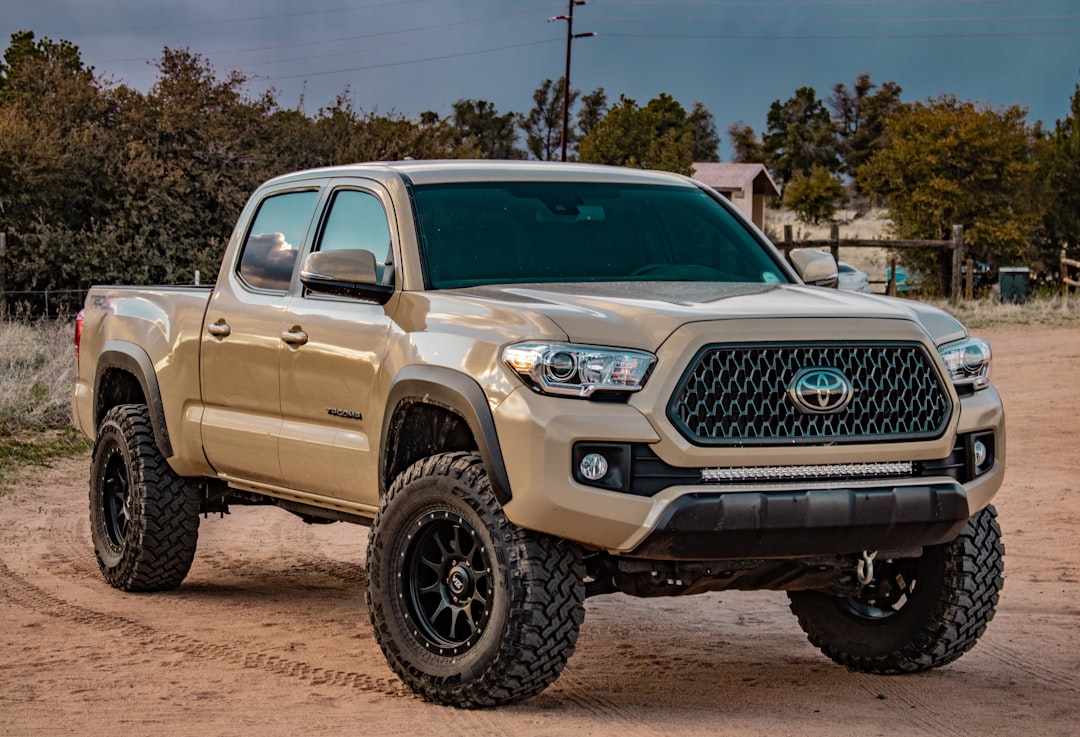
Photo by Dusty Barnes on Unsplash
Why Build a DIY Truck Bed Drawer System Instead of Buying One
The math on commercial systems is rough. A BedSlide 1000 Classic runs well over $600 and gives you a single sliding platform, not actual drawers. Full-width dual-drawer kits from ARB, Decked, or similar brands start around $1,000 and top out above $1,500 for larger bed sizes.
DIY costs depend on how much material you already have on hand, but a realistic budget for a full-width, two-drawer system breaks down like this:
| Component | Estimated Cost |
|---|---|
| 3/4 in. plywood (two sheets) | $60-$80 |
| 1/2 in. plywood for drawer boxes | $25-$35 |
| Heavy-duty drawer slides (pair) | $30-$50 |
| Hardware (screws, bolts, pulls) | $15-$25 |
| Wood glue, sandpaper, finish | $15-$20 |
| Total | $145-$210 |
That is roughly one-fifth the cost of a mid-range commercial system. The tradeoff is time: plan on 8 to 12 hours of actual build time across one or two weekends.
Beyond cost, a DIY build lets you customize the layout exactly to your truck and your gear. You can set drawer depth, height, and width to match what you actually carry, add dividers for specific items, and integrate cable pass-throughs for a 12V fridge or battery box. Commercial systems are designed for a generic use case. Your build can be designed for yours.
Where commercial wins: if you need a removable system, haul passengers regularly, or do not own a saw, buying a prebuilt unit might actually be the better value once you factor in your time.
Materials List and Drawer System Comparison
Before starting your build, know your truck bed dimensions. Measure interior width at the narrowest point (usually just ahead of the wheel wells), overall length, and the height from the bed floor to the top of the bed rail. These three numbers drive all your cuts.
Core materials for a standard two-drawer system:
3/4 in. sanded plywood forms the main structure: base platform, side walls, and the lid or sleeping surface if you plan to use it that way. Use ACX grade plywood for builds that will live outside or see moisture, since it is rated for exterior exposure. CDX is cheaper but rougher and less moisture-resistant.
1/2 in. plywood works well for drawer boxes. It keeps weight reasonable while staying rigid enough to handle 50 to 80 lb loads. Use 3/4 in. for the drawer bottom if you plan to load heavy tools.
Heavy-duty drawer slides rated for at least 100 lb per pair are non-negotiable. 18 to 24 in. slides give full extension on most builds. Ball-bearing slides outperform roller slides in dusty, vibration-heavy environments like truck beds.
Fasteners matter more than most people realize. Pocket screws work well for box joints. Use 1/4-20 carriage bolts with fender washers to anchor the main platform to the truck bed – never rely on wood screws alone for the tie-down points.
For a non-DIY comparison: the DuHa CargoStop Truck Bed Divider is a $60 to $80 option that creates separated cargo zones without a full drawer system. It works if your main problem is lateral sliding during turns and you do not need lockable storage. It is not a drawer system, but it is a quick, tool-free fix for basic organization.
How to Build a Truck Bed Drawer System: Step-by-Step
Safety note: This build uses a circular saw, drill, and router or jigsaw. Wear eye and ear protection. Clamp all workpieces before cutting. If you are not comfortable with power tools, have a friend with shop experience help with the cut list.
Step 1: Create a cut list and template. Measure your bed twice and draw a simple top-down diagram showing the platform footprint, drawer positions, and side wall heights. For a standard 5.5 ft bed, a full-width platform typically measures around 60 to 62 in. wide and 50 to 54 in. deep, with 8 to 12 in. of drawer height below the platform surface.
Step 2: Cut the base platform. Cut the 3/4 in. plywood to your platform dimensions. If your sheet is not wide enough for the full bed width, rip two pieces and join them with pocket screws and wood glue at a cleat. Round or chamfer the corners to avoid snagging gear.
Step 3: Build the side walls and face frame. Cut two side walls from 3/4 in. plywood at the full drawer height. These sit on the bed floor and support the platform from the sides. Cut a face frame or front wall that will hold the drawer slides and give the system rigidity. Assemble with pocket screws and glue.
Step 4: Install drawer slides. Mount the cabinet-side slide hardware to the face frame or side walls first. Use a carpenter’s square to ensure the slides are level and parallel – if they are off by even a few degrees, drawers will bind. In our experience building drawer systems, this is the single step that most first-time builders rush and later regret. Take your time here.
Step 5: Build drawer boxes. Cut 1/2 in. plywood into sides, front, back, and bottom panels. Assemble with pocket screws and wood glue. The drawer box width should be 1 in. narrower than the interior opening to account for the slide hardware on each side. Test fit each drawer in the opening before final glue-up.
Step 6: Mount drawer boxes to slides. Attach the drawer-side slides to the box, then slide the assembly into the cabinet-side hardware. Check for smooth operation. A small amount of paraffin wax on the slide rails reduces friction in dirty conditions.
Step 7: Anchor the platform to the truck bed. Use the truck bed’s factory tie-down anchors or drill through the floor and use carriage bolts with large fender washers underneath. Never rely on friction alone. When we built our first drawer system, we made the mistake of not bolting it down properly and the entire unit shifted on a rough switchback. Bolt it down.
Step 8: Add finishing details. Install drawer pulls, route cable pass-throughs if needed, and apply a coat of polyurethane or truck bed liner spray to exposed surfaces. Drawer liner material (the rubberized shelf liner from any hardware store) inside the drawers prevents gear from sliding.
Choosing Drawer Slides for a Truck Bed Build
Slide selection is where many budget builds cut the wrong corner. Cheap slides feel fine in a garage but fail after a season of off-road vibration and dust exposure.
Look for these specs when buying:
Load rating: A minimum of 100 lb per pair for a truck application. If you plan to store a full-size spare, heavy tools, or recovery gear, go to 150 lb or higher.
Extension type: Full-extension slides let the drawer travel completely out of the cabinet, giving you access to the full drawer depth. Partial-extension slides (which only open to 75% or so) are cheaper but frustrating to use when you need something at the back.
Material and finish: Zinc-plated or stainless steel holds up in wet conditions. Bare steel slides will rust in a truck bed environment within a year.
Ball bearing vs. roller: Ball-bearing slides cost a bit more but handle vibration, lateral loads, and dirty conditions far better. For a truck application, they are worth the premium.
The OLY-PRO Truck Bed Tool Box is one of the more affordable prebuilt options with integrated drawer hardware – useful if you want to compare your build cost to what a ready-made unit looks like around the $150 to $200 range.
For strictly hardware, 18 in. heavy-duty full-extension slides are available at most hardware stores for $20 to $30 per pair. Buy one extra pair if budget allows – having a spare on the trail is worth it.
Common Mistakes When Building Truck Bed Drawers
1. Not accounting for wheel well intrusion. On most trucks, the wheel wells protrude into the cargo area. If you build a full-width platform without notching around the wheel wells, the system will not sit flat. Measure the wheel well height and plan your build around it or above it.
2. Making drawers too tall. A 10 in. drawer sounds like maximum capacity until you realize most of your gear – tools, first aid, recovery straps – is 4 to 6 in. tall. Taller drawers just mean wasted vertical space. Two 6 in. drawers are almost always more useful than one 12 in. drawer.
3. Skipping surface finish. Raw plywood in a truck bed will soak up moisture, swell, and delaminate within one rainy season. Even a single coat of polyurethane or a spray-on bed liner product adds years of life to the build.
4. Using drywall screws. Drywall screws are brittle under shear loads and will snap at joint lines when the truck flexes on rough trails. Use wood screws or structural screws (GRK, Spax, or equivalent) for all structural joints.
5. Forgetting ventilation. If you store fuel canisters, propane, or anything that off-gasses, drill a few 1 in. ventilation holes in the back of the drawer boxes. This is a safety consideration, not just a smell issue.
6. Routing cables after the build. Plan cable routes for 12V accessories, lights, and compressor power before you finalize the build. Running cables through a finished system is a pain. If you carry an on-board compressor, your air compressor setup deserves a dedicated drawer or at minimum a fixed mount point planned into the system from the start.
Organizing Your Truck Bed Drawers for the Trail
A drawer system is only as useful as the organization inside it. Here is a layout that works well for a two-drawer setup on a weekend overlanding rig:
Drawer 1 (near tailgate, easy access):
- Recovery gear: straps, shackles, snatch block
- First aid kit
- Tow rope
- Gloves
Drawer 2 (deeper, less frequent access):
- Tools and spare hardware
- Air compressor and inflation kit
- Lighting gear (spare bulbs, headlamps, lantern)
- Camp kitchen essentials if you carry them in the bed
Use small bins or MOLLE pouches inside drawers to group items and prevent rattling. Foam-lined drawers (cut-to-fit upholstery foam from a fabric store) are a cost-effective way to protect fragile items like optics or electronics.
Label drawers with simple tags or paint markers. On a dark trail, you want to open the right drawer on the first try.
Related reading: Budget axle and differential protection for your overland build
Frequently Asked Questions
How long does it take to build a truck bed drawer system from scratch? Plan for 8 to 12 hours of build time spread over one or two weekends if you are comfortable with basic woodworking. First-time builders should add a few extra hours for measuring, test fitting, and fixing mistakes. The cut list and template phase alone can take a full morning if you are being thorough, and that time is well spent.
What plywood grade is best for a truck bed drawer system? ACX or BCX sanded plywood for the main structure, especially any surface that will see moisture or direct weather. The “C” grade face on the underside is acceptable for the platform bottom, but the better face should be oriented toward where you see and use the surface. CDX is fine for interior components that stay dry.
Can a truck bed drawer system add too much weight? A full two-drawer plywood system typically weighs 80 to 120 lb depending on size and materials. For most half-ton and three-quarter-ton trucks, this is well within payload capacity. If you are already running a heavy topper, roof tent, bumpers, and a full fuel load, it is worth doing a rough payload calculation before adding more mass. Check your door jamb sticker for your truck’s payload rating and subtract your current added weight.
Do I need special tools beyond a drill and circular saw? A pocket hole jig (around $30 at most hardware stores) makes clean, strong box joints much easier and is worth buying for this project. A jigsaw helps with notching around wheel wells. A router is useful for clean edge work but not required. The rest of the build can be done with basic hand tools.
How do I keep drawers from rattling on rough trails? Self-adhesive weather stripping foam tape applied to drawer box edges dramatically reduces rattle. Magnetic catches or simple barrel bolt latches keep drawers closed on rough terrain. We have tested both approaches and prefer a combination: weather stripping for dampening and a barrel bolt latch for positive closure on the main gear drawer.
Build It Once, Use It for Years
A well-built truck bed drawer system pays for itself in the first season. You get faster access to your gear, protection from weather and theft, and a platform that can double as a sleeping surface if you add a foam pad. The $150 to $200 material investment is a fraction of what commercial systems cost, and you get a result tailored exactly to your rig and the way you actually pack.
If you find this guide useful, bookmark it for reference during your build. Drop a question in the comments if you run into a specific measurement or materials challenge – build questions are always welcome.