Best overlanding lift kits under $1,500: coilovers vs. leaf springs
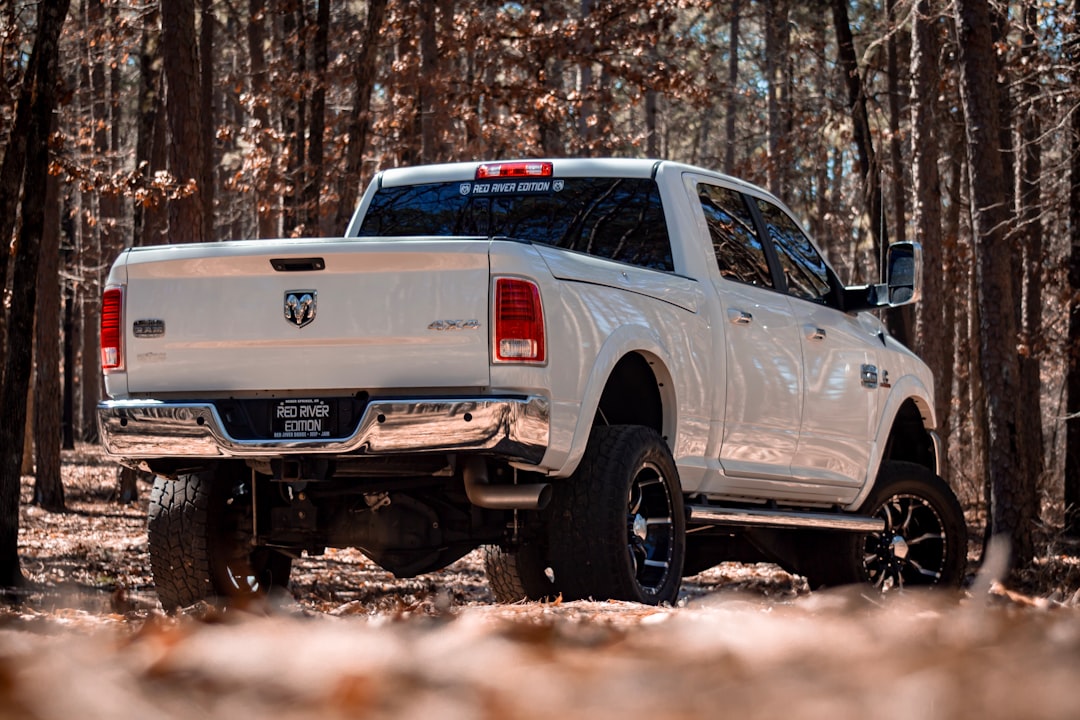
When you’re planning your first overland trip, ground clearance becomes real fast. That rock garden you thought was passable suddenly looks different when your bumper’s hanging. A lift kit fixes that - but you’ve got decisions to make on how to spend your money wisely.
This post contains affiliate links. As an Amazon Associate, I earn from qualifying purchases at no extra cost to you.
Photo by Caelen Cockrum on Unsplash
Lift kits are one of the few modifications that actually change how your vehicle performs offroad. You get clearance for bigger tires, longer suspension travel, and the ability to handle rougher terrain without bottoming out. But here’s the thing: you don’t need to spend $5,000 on a fancy system to get real trail capability. This guide walks you through the budget options under $1,500, explains the coilover versus leaf spring tradeoff, and helps you pick the right system for your rig.
What a Lift Kit Actually Does for You
A lift kit raises your vehicle’s ride height by extending your suspension. This gives you three concrete benefits: more ground clearance to clear rocks and obstacles, more suspension travel so you can articulate over ruts and dips, and room for bigger tires which also increases clearance and traction.
The cheap math is this: a 2-3 inch lift costs $400-800 and lets you fit 33-35 inch tires instead of your stock 31s. That’s a real difference on trails. A 4-5 inch lift ($1,000-1,500) gets you into 37-40 inch territory if your truck can handle the load.
What a lift kit doesn’t do: it doesn’t improve your engine, make you climb steeper grades, or fix a weak transmission. It’s purely about clearance and suspension behavior. That matters because it tells you where to spend your money. If your vehicle needs a lift, grab a proven budget kit - don’t leave it hanging stock while you save for a fancy system.
Types of Lift Kits
Coilover Lift Kits: Spring for Ride Quality and Adjustability
Coilover systems replace your stock springs and shocks with new coil springs wrapped around larger shock absorbers. You’ll need to pick up a system designed for your specific truck, like the Rough Country 3.5” GMC Sierra 1500 Lift Kit with Vertex Coilovers or the Rough Country 3” Ford Super Duty Coilover Conversion Kit.
Advantages you’ll notice:
- Adjustable ride height: Many coilover kits let you dial in height without buying new springs. You can start at 3 inches and add more later if you need it.
- Better on-road manners: Coilovers handle like a normal truck on pavement because the spring and damper work together smoothly. You won’t get that bouncy feel. They maintain good ride quality because the shock absorber dampens movement smoothly - your truck doesn’t bounce after hitting a bump, it settles like normal.
- More predictable suspension behavior: Because everything’s integrated, the system responds the same way whether you’re loaded down or empty.
- Good for payload: Coilovers handle added weight (roof rack, spare tire, fuel) better than leaf springs.
- Available for almost everything: Ford, Chevy, Dodge, Toyota - coilover kits exist for almost every platform.
The tradeoff:
Coilovers cost more per inch of lift. A 3-inch coilover system runs $800-1,200. You’re also replacing more components, which means more installation complexity. If you pick the wrong kit for your truck, you might end up with ride issues or fitment problems.
Leaf Spring Lift Kits: Go Simple, Go Cheap
Leaf spring lifts add lift blocks or shackles to your existing leaf spring setup, or replace your springs with taller springs. The Truxxx 2” Rear Coilover Suspension Lift Kit (Dodge Ram 1500) is a budget option if your truck has coil rear suspension, but plenty of older trucks still run leaf springs end-to-end.
Why you’d choose leaf springs:
- Genuinely cheap: A 2-inch leaf spring lift block kit runs $150-400. You can grab one and bolt it on in a weekend.
- Payload capacity: Leaf springs handle heavy loads better than coils. If you’re planning to carry 500+ pounds, leaf springs stabilize better under that weight.
- Durability: Leaf springs are simple. No valving to blow, fewer seals to leak. They flex and flex for thousands of miles.
- Easy installation: Most leaf spring lifts are a few bolts and shims. No special tools, no alignment machines needed.
- Available used: Because leaf springs are old tech, you’ll find used kits cheap. A used 3-inch set goes for $200-300 on Craigslist.
The real cost:
On-road ride gets rougher. Leaf springs are stiffer, so bumps feel more pronounced. They also sit higher on the truck (less droop), which changes the geometry of your suspension. You might get some clunking from the springs settling, and over time, leaf springs sag a bit. Highway driving feels different - especially in crosswinds, a leaf spring lift can make your truck feel a bit twitchy because the suspension’s stiffer. For overland use where you’re off-road half the time anyway, this rougher-riding feel is fine.
You also lose adjustability. If you put in a 3-inch lift block and decide you want 2 inches instead, you’re buying new blocks.
Cost Analysis and Installation
Let’s be clear on the real numbers, because this is where budget decisions live.
2-Inch Lift Spacer Kit: $150-300
- Basically shims or blocks that go between your axle and frame
- Cheapest option, easiest install
- Minimal ride quality hit for the money
- Best for: trucks that already have okay clearance and you just need 2 extra inches
2-Inch Leaf Spring Lift: $300-500
- New or rebuild springs, or lift blocks
- DIY install on most trucks, 4-6 hours
- Payload capacity stays good
- Best for: older trucks, high-load overlands, budget-conscious builds
3-Inch Coilover Kit: $800-1,100
- Rough Country, Fabtech, or similar brand
- Professional install recommended ($400-600 labor), DIY possible if handy
- Ride quality on-road stays smooth
- Best for: newer trucks, mixed use (highway + trails), adjustability needed
4-Inch Coilover Kit: $1,100-1,500
- Full suspension replacement
- Needs alignment after install ($150-300)
- Pro install almost mandatory ($500-700 labor)
- Best for: serious trail builds, 37-inch tires, max articulation
Lift Spacer + Coilover Hybrid: $600-900
- Spacers in front, new coils in back
- Saves money versus full coilover, better than spacers alone
- Common on budget builds
- Best for: trucks with front coils and rear leaf springs (common on older Fords)
The real budget play is this: don’t spend $1,500 on a full coilover if you only need 2 inches. Buy a $300 leaf spring kit, keep the extra $1,200 for tires and other mods. The difference between 2 and 3 inches matters less than the difference between stock tires and good 35-inchers.
Installation Reality Check
Here’s where people get stuck: knowing whether to DIY or pay someone.
DIY-Friendly Installs:
- Lift spacers (1-2 hours, basic tools)
- Leaf spring blocks (2-4 hours, jack and sockets)
- Rear coilover swaps (4-6 hours, some spring compressor knowledge)
Recommend Professional Help:
- Front coilover conversions (alignment needed, spring compression)
- Any system requiring ride height adjustment after install
- Anything involving brake line routing or steering geometry changes
The install cost matters to your total budget. A $600 lift kit becomes $1,200 if you pay $600 for labor. That changes whether you can stay under $1,500 or not. If labor’s eating half your budget, consider a simpler spacer kit and save the rest for tires or recovery gear.
Comparison Table: Spacer vs. Coilover vs. Leaf Spring
| Feature | Spacer Lift | Coilover System | Leaf Spring Kit |
|---|---|---|---|
| Cost (parts only) | $150–$300 | $800–$1,500 | $300–$600 |
| Install cost | $0–$200 | $400–$700 | $200–$400 |
| Lift range | 1–2” | 2–5” | 2–4” |
| Ride quality (highway) | Good | Excellent | Fair |
| Adjustability | None | Some models | None |
| Payload capacity | Good | Good | Excellent |
| Suspension travel | Minimal gain | Good gain | Moderate gain |
| On-road handling | Neutral | Responsive | Stiff |
| Durability (5 yr) | Excellent | Good | Excellent |
| Best for | Budget, 2” only | Mixed use | High load, simplicity |
How to Choose Your Lift Kit: A 7-Step Process
Follow these steps to pick the right kit for your truck and budget. If you’re planning to run these modifications on established trails, check with the National Four Wheel Drive Associations to understand local trail regulations and best practices for your area.
-
Measure your current clearance and define your need. Jack up your truck and measure the distance from frame to ground at the lowest point. Now measure how much clearance you lose under load (water, gear, passengers). You probably need 1–2 inches more than you think. If you’re at 9 inches now and want 12 inches, a 3-inch lift does the job. Don’t oversized unnecessarily.
-
Check your truck’s platform for available kits. Not every lift exists for every truck. Older Fords are easier (tons of leaf spring kits). New Raptors are harder (coilovers run $2K+). Check what’s actually available in your price range before falling in love with a specific lift. Rough Country, Fabtech, and Truxxx cover most common platforms under $1,500.
-
Calculate your total out-the-door cost. Add parts + install + alignment (if needed) + new shocks (if required). A “$800 lift” that needs $600 labor and $300 alignment is really a $1,700 job. If you’re at $1,500 max, adjust accordingly.
-
Decide on your priority: ride quality or budget. If you drive pavement 70% of the time, coilovers are worth stretching your budget. If you’re 70% dirt roads, save the money with leaf springs or spacers. Be honest about your actual use.
-
Research real owner reviews on your specific truck. YouTube builds, forum threads, and Reddit posts show you exactly how different kits behave on your platform. Don’t rely on marketing - look for people who actually installed the kit and lived with it.
-
Check if your truck has any existing suspension upgrades. If the previous owner already added shocks, new springs, or a suspension lift, you might only need spacers. Or you might need to swap things out. Pull the wheels off and inspect what you’ve got.
-
Make the call and order the kit. Don’t overthink it. A $400 leaf spring kit on your truck is better than the perfect $2,000 kit on someone else’s truck. Pick a reputable brand in your budget and get moving. You can always upgrade later.
Common Mistakes to Avoid When Lifting
Learning from other people’s bad choices saves you money and headaches.
Mistake #1: Oversizing the lift. A 5-inch lift on a truck that only needs 3 inches costs you money, changes geometry in weird ways, and makes your truck sit weird. Start conservative. You can always add more height later with spacers.
Mistake #2: Ignoring driveline angles. Lifting your truck changes the angle of your driveshaft. Go too high and you’ll get vibration or premature driveshaft failure. Most kits account for this, but double-check - especially on vehicles with long wheelbases. Understanding suspension geometry principles helps you identify potential driveline angle issues before installation.
Mistake #3: Not upgrading shocks with spacers. A spacer lift without upgraded shocks means your stock shocks (designed for stock height) are now bottomed out or extended too far. They fail early. If you’re doing spacers, grab budget shocks too (add $200–$400).
Mistake #4: Skipping the alignment. Coilover installs change your suspension geometry. Your wheel alignment drifts, which eats tires and makes the truck handle weird. Budget $150–$300 for alignment after a coilover install.
Mistake #5: Buying the wrong kit for your truck. A “universal” lift is cheaper and rarely fits perfectly. A lift designed for your specific make, model, and year costs a bit more but installs easier and works right. Don’t chase universal deals.
Mistake #6: Going cheap on shocks alone. You can go budget on the lift springs, but cheap shocks on a lifted truck feel terrible and fail fast. Spend the extra $100–$200 on decent dampers. Bilstein and KYB make budget shocks that last.
Frequently Asked Questions About Lift Kits
How long do lift kits last? A properly installed lift kit typically lasts 5-7 years for coilovers and 7-10 years for leaf springs. Lifespan depends on how aggressively you drive and trail conditions. Regular maintenance (checking bolts, keeping seals clean) extends the life significantly.
Do I need an alignment after installing a lift kit? Yes, alignment is essential after a coilover install. Spacer and leaf spring kits may need alignment depending on how much geometry changes. Get a 4-wheel alignment check ($100-150) at minimum after any lift installation to avoid premature tire wear.
Will a lift kit void my vehicle warranty? Possibly. Many manufacturers void drivetrain or suspension warranties if you modify the lift height. Check your specific warranty documents. Some dealers are lenient about spacer-only lifts but stricter about coilover conversions. Ask your dealer before buying if warranty coverage matters to you.
Can I install a lift kit myself? Spacer and leaf spring kits are DIY-friendly if you’re comfortable with basic mechanics and tools. Coilover installs require more skill - spring compressors, alignment knowledge, and sometimes brake line work. If you’re unsure, pay for professional installation; a bad lift install is dangerous and expensive to fix.
Do I need to upgrade my tires with a lift kit? Not immediately, but upgrades are the whole point. Bigger tires take full advantage of the clearance and suspension travel you just bought. Your current tires will fit (unless you lift 4+ inches), but they won’t give you the real benefits. Most people upgrade tires within 6 months of lifting.
How much does a lift kit affect fuel economy? Expect a 5-10% hit on fuel economy, mostly from increased rolling resistance and aerodynamic drag of taller vehicles. Bigger tires make it worse. Coilovers with good alignment hurt less than leaf springs or spacers with poor geometry. Highway driving takes the biggest efficiency hit.
Will a lift affect my insurance rates? Some insurers charge higher premiums for lifted vehicles (increased risk perception), while others don’t track modifications closely. Get quotes from your current insurer and others before lifting. Disclose the modification - not disclosing can void your coverage if you’re in an accident.
What’s the best lift kit for towing? Leaf springs are better for towing because they handle heavy loads more predictably. If your truck came from the factory with leaf springs, keep them - don’t coilover just for lift. If you have coils, a coilover kit designed for load-carrying (check the spec sheet) is fine for moderate towing. Don’t exceed your truck’s GVWR (Gross Vehicle Weight Rating).
Conclusion: Pick a Kit and Get on the Trails
The best lift kit is the one you actually install. Waiting for the perfect $3,000 system while your stock truck sits in the driveway makes no sense. A $600 leaf spring lift or a $900 budget coilover gets you on the trail today with real clearance gains. You’ll learn what you need from actual trail time, and you can upgrade later if you want to.
For most overlanders on a budget, here’s the play: grab a 2–3 inch coilover kit ($800–$1,100 all-in with install) if you split your time between road and trail, or pick up a leaf spring lift ($400–$600 total) if you’re mostly going offroad. Either way, spend your first year actually using the trail and figuring out whether your rig needs more. Better to start simple and upgrade with confidence than to guess and overspend.
Check out more overlanding build tips in our guide to budget-friendly overlanding tires for desert driving and our breakdown of essential roof rack options for under $300.
Ready to lift? Start with the kits above, read real owner reviews on your platform, and plan for professional install if you’re not confident with suspension work. Your truck will thank you when you’re picking your way through that rocky pass you’ve been wanting to explore.