Rooftop-tent weight and roof-rack capacity: how to check static and dynamic limits
This post contains affiliate links. As an Amazon Associate, I earn from qualifying purchases at no extra cost to you.
A rooftop tent sitting on crossbars that aren’t rated for it is one of the most common - and most costly - mistakes in overlanding. The failure mode isn’t always dramatic. Sometimes it’s a slow bow in the roof panel over two camping seasons. Sometimes it’s crossbars shifting at highway speed on a mountain grade. Either way, you’re dealing with a compromised vehicle and a tent that’s no longer safe to use.
The problem starts with two numbers that most buyers never look up: the static load rating and the dynamic load rating on their roof system. These are not the same number, they’re rarely stamped anywhere obvious, and misreading them is why people end up with 150-lb hard-shell tents on crossbars rated for 100 lbs in motion.
This guide walks through exactly how to find both ratings for your specific vehicle and rack setup, how to calculate your actual total roof load including the weight of gear stacked on the bars alongside the tent, and where the real safety margin lives in that math. No guessing, no “it should be fine” - just the numbers you need before you bolt anything to your roof.
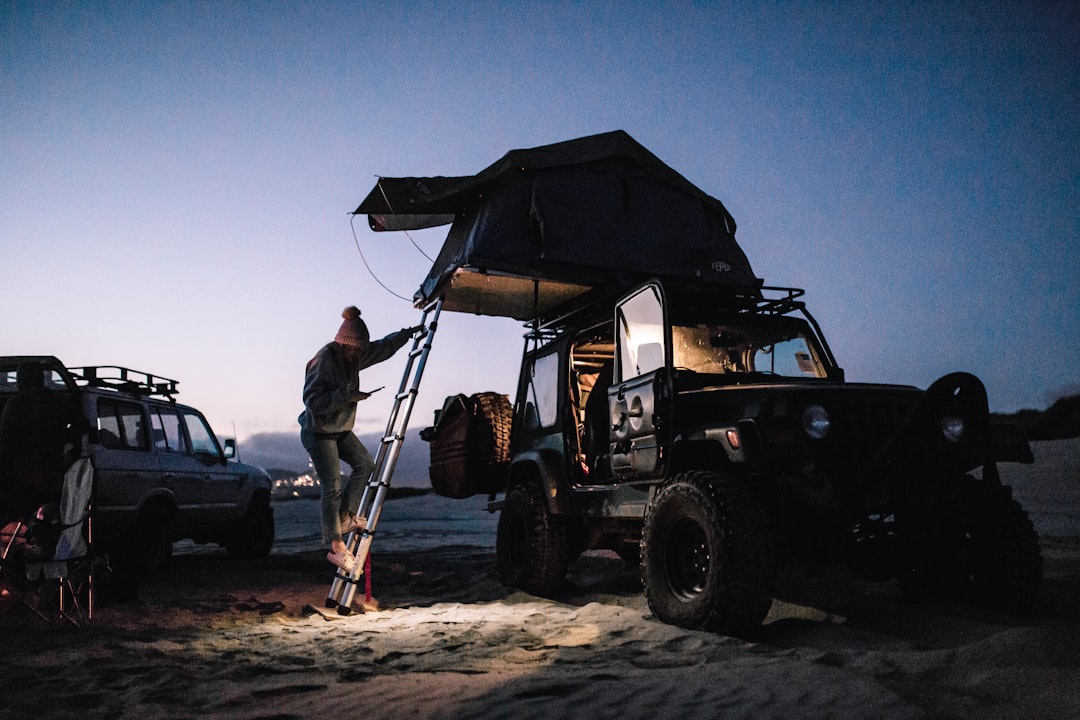
Photo by Luke Bender on Unsplash
Static vs. Dynamic: The Two Numbers Behind Every Roof Rack Capacity Rating
Every vehicle and every rack system carries two separate load ratings, and confusing them is where most roof-load mistakes begin.
The static load rating is the maximum weight your roof can support when the vehicle is stationary. Think of it as the parked-and-sleeping number. When your RTT is set up and you and a partner are inside, you’re loading the roof statically. Most unibody vehicles list static ratings in the 700-1,000 lb range because the weight distributes through the full body structure at rest. Some body-on-frame trucks and SUVs post comparable or higher figures. This number sounds comfortable - until you realize it’s not the one that governs your build.
The dynamic load rating is the maximum weight the roof can carry while the vehicle is moving. This number is dramatically lower - typically 100-220 lbs for most crossover SUVs, trucks, and Jeeps. The reason for the gap is physics. At highway speed, every bump and road imperfection multiplies the effective force on your roof structure. A 100-lb tent traveling over a pothole hits the mounting points harder than 100 lbs sitting still. Engineers account for this with a conservative dynamic figure that includes a margin for road vibration, impact loading, and lateral forces in a cornering maneuver.
The dynamic rating is the number that governs your RTT purchase. If your vehicle has a 150-lb dynamic roof limit and your tent weighs 120 lbs, you have 30 lbs of margin for rack hardware, supplemental gear, and nothing else. Many overlanders discover this math doesn’t work after they’ve already bought the tent.
One further point: aftermarket racks do not override your vehicle’s roof structure limit. A rack rated for 500 lbs static still can’t push more load through a factory roof panel than that panel was engineered to handle. The rack’s rating is an upper bound on the hardware itself. Your vehicle’s rating is the ceiling for the whole system, and you must work within the lower of the two figures.
How to Find Your Vehicle’s Roof Rack Weight Limit
There are four reliable sources for load ratings. Cross-referencing at least two of them removes any ambiguity.
Owner’s manual. This is always the first stop. Check the index under “roof,” “cargo,” or “load.” Most manuals list both static and dynamic roof ratings in the vehicle specifications chapter. If yours shows only one figure without labeling it, that number is almost always the dynamic (in-motion) limit.
Door jamb sticker. The GVWR and payload sticker on the driver’s door jamb shows the total certified loaded weight for the vehicle. It doesn’t break out the roof load specifically, but it confirms the chassis limits you’re working within, and some OEM stickers include a separate cargo note with maximum roof load figures.
Vehicle manufacturer’s website. Most OEM sites have a towing and payload tool or a dedicated specifications page that surfaces roof load data when you enter your VIN or configure by year, make, model, and trim. Toyota, Ford, GM, Stellantis vehicles, and Land Rover all publish this data for current and recent model years. This is often the fastest lookup if you don’t have a printed manual at hand.
Rack manufacturer’s documentation. If you’re running aftermarket crossbars or a platform rack, the manufacturer publishes both static and dynamic ratings for that hardware. The Thule WingBar Evo, 135 cm roof bar 2-Pack Black is a quality aftermarket crossbar option with a published load rating; verify the rating against your specific vehicle fit, since the same bar can have a different rating depending on which mounting foot system and fit kit it uses on your platform.
The number that governs your setup is the lower of your vehicle’s dynamic roof rating and your rack’s dynamic rating. A rack rated at 165 lbs dynamic on a vehicle rated at 150 lbs dynamic gives you a system limit of 150 lbs. The rack cannot compensate for the vehicle’s structural ceiling.
The National Highway Traffic Safety Administration publishes vehicle safety standards that encompass load-related requirements, but for your specific figures, OEM documentation is always the authoritative source. When OEM sources are unavailable, vehicle-specific forums on sites like Expedition Portal have documented dynamic ratings for many common overlanding platforms - use them as a starting reference, but verify against official specs before relying on them for a safety-critical decision.
Rooftop Tent Weight: Reading Manufacturer Specs Correctly
RTT manufacturers list weight in different ways, and the differences matter when you’re working within a tight roof margin.
The shell weight (also called “dry weight” or “packed weight”) is the weight of the tent unit as it ships - typically with the mattress inside but without bedding, pillows, or camping gear stored inside the tent. This is the figure on the product listing and the number you use when calculating your dynamic roof load.
The setup weight matters for the static calculation. A two-person hard-shell RTT with two adults inside can add 300-400 lbs to the static load. Your vehicle’s static rating should handle this comfortably in most cases, but it’s worth confirming on heavier builds or older vehicles where the roof structure may show fatigue.
The spec that catches buyers off guard most often is the mattress weight. Some RTTs - particularly budget models - list the tent weight without the included foam sleeping pad. A 4-inch high-density foam mattress for a standard 55 x 96-inch RTT floor can add 20-30 lbs to what the headline spec suggested. Read the product description carefully and confirm whether the stated weight includes the full sleeping surface.
Hard-shell tents like the Naturnest Rooftop Tent Hard Shell offer one practical advantage for weight tracking: the rigid shell contains the mattress in a fixed, compact package that loads onto the rack predictably. Soft-shell RTTs fold onto the bars in a way that can shift position, which affects center of gravity more than raw weight alone suggests. The tradeoff is that hard shells typically run heavier than equivalent soft-shell models, which compounds the margin math on vehicles with tighter dynamic ratings.
For the most accurate number, weigh the tent yourself before mounting it. A hanging scale like the Utoolmart 50KG Spring Balance Hanging Hook Scale Kilo & LBS is well suited for this task. Hang it from a ceiling joist or a secured garage beam, hook the tent or a sling under the shell, and you have a verified number rather than a marketing figure. For tents that approach or exceed the 50 kg scale limit, weigh the shell and mattress separately and add the two results.
How to Calculate Your Total Roof Load Before You Buy
The total roof load is never just the tent weight. Every kilogram mounted to your bars counts against your dynamic limit, and the sum adds up faster than most buyers expect. Work through these six steps before committing to any rack or tent purchase.
Safety note: A roof-mounted load that shifts or separates at highway speed becomes a road hazard for other drivers as well as your own vehicle. Never exceed your vehicle’s dynamic roof load rating, and inspect all mounting hardware before every trip.
-
Establish your system dynamic limit. Compare your vehicle’s dynamic roof rating to your rack’s dynamic rating. Take the lower number. Write it down and keep it visible for the rest of the calculation.
-
Confirm the verified tent weight. Start with the manufacturer’s packed weight spec. Add the mattress weight if it’s listed separately. If the product listing is ambiguous, plan to weigh the complete tent package with the hanging scale before the tent goes on the rack.
-
Add the rack hardware weight. The rack itself is part of the dynamic load. Crossbars and mounting feet typically add 8-15 lbs total. A full aluminum platform rack adds 40-70 lbs. A steel platform rack can add 65-90 lbs or more. Do not skip this figure.
-
Tally all additional roof cargo. Lights mounted to the rack, a rooftop antenna, a portable solar panel, a water bag, fuel cans, or any gear strapped alongside the tent all count toward the limit. A full 5-gallon water bag weighs about 42 lbs. A pair of LED light bars adds 10-15 lbs. Inventory everything that rides on the roof.
-
Apply a 15-20% safety buffer. Never load a roof system to 100% of its rated dynamic limit. Off-road terrain, potholes, and vehicle body flex can spike effective loads well above the baseline weight. Operating at 80% of the dynamic rating provides meaningful margin for real-world conditions.
-
Verify the total. Multiply your dynamic limit by 0.80 to get the practical working load limit. Add tent weight + rack hardware weight + all additional cargo. The sum must stay at or under that working limit.
A practical example: vehicle dynamic rating is 150 lbs. Working limit at 80% is 120 lbs. Hard-shell RTT weighs 95 lbs. Crossbar hardware weighs 12 lbs. That leaves 13 lbs for everything else before hitting the buffer. That is a thin margin - thinner than most buyers recognize until they run the full calculation.
Roof Rack Options That Can Actually Handle Rooftop Tent Weight
Not every rack is purpose-built for RTT loads, and the differences between categories are significant enough to drive the entire build direction.
| Rack Type | Typical Dynamic Rating | RTT Compatibility | Approximate Cost |
|---|---|---|---|
| Factory OEM crossbars | Varies; consult owner’s manual | Marginal - verify before buying tent | Included |
| Aftermarket crossbars (Thule, Yakima, Rhino-Rack) | Varies by model and fit kit | Yes, for lighter hard-shells - verify published rating | Varies |
| Vehicle-specific aluminum platform rack | Varies; consult manufacturer specs | Yes, designed for RTT loads | Varies |
| Heavy-duty steel platform rack | Varies; consult manufacturer specs | Yes, handles most hard-shells | Varies |
Factory crossbars on most compact and mid-size SUVs carry dynamic ratings of 100-150 lbs. Some are lower. A hard-shell RTT typically weighs 95-140 lbs with mattress. If your factory bars are rated at 100 lbs and the tent weighs 110 lbs, you’re already over the bar’s limit before adding hardware weight and any accessories. This scenario is more common than the product marketing suggests, and it’s the single most reliable reason to upgrade the rack before - or at the same time as - purchasing the tent.
Quality aftermarket crossbars are the first practical upgrade. The Thule WingBar Evo, 135 cm roof bar 2-Pack Black has a published dynamic load rating; verify the rating for your specific vehicle fit, since it can vary by mounting foot system and fit kit. Distributing the tent’s weight evenly across the bar span rather than concentrating it at a single clamp point helps maximize the available load margin.
Vehicle-specific aluminum platform racks distribute the load across more mounting points than a two-bar crossbar setup. That broader footprint reduces point loading on the roof panel and provides a more stable base for a tent that shifts slightly with trail movement. Budget-tier platform racks in the $400-600 range are available for common overlanding platforms and worth evaluating - verify that the listing provides a specific dynamic rating rather than only a static figure, since some budget options list only one number.
If you’re weighing RTT options at the same time you’re deciding on a rack, the Hard Shell vs Soft Shell Rooftop Tents on a Budget comparison covers the weight tradeoffs in detail. A lighter soft-shell can be the deciding factor in whether your existing crossbar setup is viable without a rack upgrade.
Common Mistakes Overlanders Make When Checking Roof Rack Capacity
Using the static rating as the operational limit. This is the most frequent error. A buyer finds a 330-lb roof rating in the manual, purchases a 150-lb tent, and considers the math solved. That 330 lbs is the static (parked vehicle) figure. The dynamic limit is often half that or less. Always confirm you’ve found the dynamic rating before moving forward.
Forgetting rack hardware weight in the calculation. The rack is part of the load your vehicle carries at speed. Crossbar mounting feet, bars, T-track systems, and any adapter plates all have mass. For crossbars this might be 10-15 lbs - manageable but not zero. For a steel platform rack with extended side rails, the rack hardware alone can reach 70-90 lbs before the tent goes on. Many buyers calculate only the tent weight, mount everything, and discover the overload afterward.
Trusting a high aftermarket rack rating without checking the vehicle ceiling. An aftermarket rack rated at 200 lbs dynamic seems to solve the weight problem. It doesn’t, if the factory roof structure is rated at 150 lbs dynamic. The rack transfers its load into the vehicle’s OEM mounting points. The vehicle’s structural rating remains the ceiling regardless of what the rack hardware is independently certified for.
Incrementally stacking cargo without recalculating. The tent weight fills most of the available dynamic margin on many vehicles. Then a 20-lb gear bag gets added. Then a pair of auxiliary lights. Then a rooftop shower head. Each individual addition seems minor. Collectively, incremental loading can put you 30-50 lbs over the dynamic limit without any single item feeling like a problem.
Skipping the pre-mount weigh-in. Manufacturer specs are self-reported and occasionally optimistic. Weighing the tent before it goes on the rack takes less than ten minutes with a hanging scale and removes one of the main variables from a safety-critical decision. The cost of the verification tool is trivial compared to the cost of a roof repair or a roadside tent failure.
Assuming dynamic loading is primarily about highway speed. Off-road terrain at 15 mph can generate impact forces that exceed smooth highway driving at 65 mph. The dynamic rating applies whenever the vehicle is in motion, regardless of surface or speed.
Frequently Asked Questions
Where exactly do I find my vehicle’s dynamic roof rating?
Start with your owner’s manual and check the index under “roof load,” “cargo,” or “roof rack specifications.” The specification table typically lists both figures with clear labels. If only one figure appears, it is almost always the dynamic limit. Alternatively, search your vehicle manufacturer’s website by VIN or model configuration - most OEM sites display this data within towing and payload specifications. For older or discontinued models, Expedition Portal and vehicle-specific forums have documented ratings for many common overlanding platforms. Use those as a cross-reference, but always confirm against the OEM source before treating the number as authoritative. Calling the OEM customer support line with your VIN is a reliable fallback when documentation is unavailable.
Does an aftermarket roof rack increase my vehicle’s usable dynamic roof load beyond the factory rating?
No, not beyond the vehicle’s structural ceiling. An aftermarket rack rated at 200 lbs dynamic is still limited by the factory mounting points it bolts into, and those points were engineered for a defined load distribution. What a quality aftermarket rack can do is spread load across a wider footprint than a narrow crossbar pair, which reduces localized stress on individual mounting points and improves load stability without changing the vehicle’s certified limit. The practical benefit is less flex and movement under load - particularly on rough terrain - but your operating limit remains the lower of the vehicle’s rating and the rack’s rating. Do not exceed either.
How do I weigh my RTT if the tent is too heavy for a standard hanging scale?
For tents near or above the 50 kg (110 lb) limit of a standard hanging scale, split the measurement into components. Weigh the hard shell body separately from the foam mattress and add the two figures. For a rough verification when a scale isn’t available, take the tent to a local shipping or freight store - most have floor scales rated for heavier items and will weigh gear for minimal or no cost. Relying on the manufacturer’s stated weight is acceptable as an initial planning figure, but verifying with an actual scale removes a variable from a decision where the margin for error is frequently 20 lbs or less.
Conclusion
The load calculation isn’t complicated once you have the right inputs in front of you. Dynamic rating from OEM documentation, verified tent weight, rack hardware weight, additional cargo inventory, and an 80% working limit buffer - those five inputs answer the safety question before you spend a dollar on hardware.
The complication is that most buyers skip the lookup entirely and assume the setup will work because it looks like it should. Your next action is specific: pull your owner’s manual today, find the dynamic roof load rating for your vehicle, and write it down before you look at another RTT listing. If the number is tighter than you expected, a lighter tent or a platform rack upgrade may be the path - both are achievable on a budget build. Discovering the problem after the tent is mounted and you’re on the highway is not an acceptable alternative.
Bookmark this page to reference the load calculation steps when you’re ready to buy, and drop your vehicle’s dynamic roof rating in the comments - it helps other budget overlanders researching the same platform.
Related Reading
- Hard Shell vs Soft Shell Rooftop Tents on a Budget - the weight tradeoffs between tent categories and which type fits tighter roof load budgets
- Best Rooftop Tents Under $1,000: The Step Up from Entry Level Models - specific tent picks with weight specs you can cross-reference against your vehicle’s dynamic rating