DIY Overland Sleeping Platform Build (Step-by-Step, with Dimensions and Materials List)
If you have ever woken up on a deflated air mattress at 3 a.m. in a cold truck bed, you already know the case for a sleeping platform. A solid platform raises your sleep surface above the wheel wells, gives you flat, firm support, and turns the space underneath into usable storage. You can build a functional one for under $150 in materials - and it will outlast a dozen camping pads.
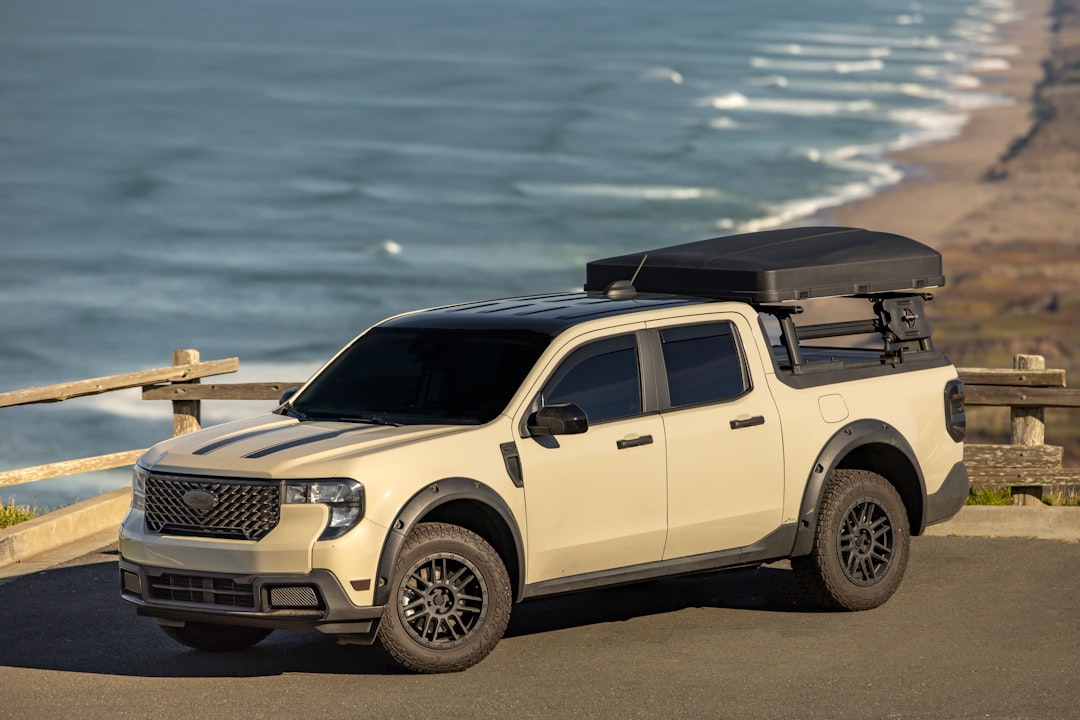
Photo by Leo_Visions on Unsplash
Safety note: This build uses a circular saw, drill, and jigsaw. Always wear eye and ear protection. Secure your workpiece before cutting. If you are not comfortable with power tools, have a friend or local shop make the cuts - the assembly is still something you can handle yourself.
Why a Sleeping Platform Is Worth Building
An air mattress is portable, but it has a short life in overlanding. Sharp grit works its way into the truck bed and slowly destroys the vinyl. Cold temperatures make them lose pressure overnight. And they offer zero storage underneath.
A plywood sleeping platform solves all three problems. The surface is flat and firm from night one. The frame can be built to clear the wheel wells exactly, leaving you a full-length sleep space. And the area below the platform becomes dead storage for recovery gear, tools, water, and camp supplies - kept separate from your daily-access kit.
We have been running a platform in our Tacoma for three seasons. The first version cost $90 in lumber and hardware. We have since refined the design, but the core concept has not changed. If you are weighing this against a roof tent setup, our guide to budget roof tents under $500 covers those tradeoffs in detail - the two sleep systems solve different problems.
Tools and Materials You Will Need
You do not need a full woodshop for this build. Here is what we used:
Tools:
- Tape measure and pencil
- Circular saw or jigsaw (a jigsaw is safer for curved wheel well cutouts)
- Power drill with bits
- Sander or 80-grit sandpaper
- Carpenter’s square
Materials:
- 3/4-inch plywood, one full sheet (4x8 ft) plus a partial sheet depending on bed length
- 2x4 or 2x3 lumber for the frame legs and crossmembers
- 1-5/8-inch wood screws
- Construction adhesive (optional, for extra strength at joints)
- Spray paint or polyurethane for sealing the edges
- Foam or sleeping pad for the top surface
A standard 2x4 frame with 3/4-inch ply top will support well over 500 lbs without flexing. You do not need anything exotic or expensive.
Step 1: Measure Your Truck Bed
This is the step most people rush, and it causes most of the rework. Measure twice, cut once is not just a saying here - a miscut on a full sheet of plywood costs you $40 and a trip back to the lumber yard.
Measure the following:
- Bed length (front to tailgate, at floor level and at the top rail - they are often different)
- Bed width (inside the rails, not outside)
- Wheel well height and wheel well width on both sides
- Distance from the wheel well top to the bed floor
Note whether your bed has a factory liner. A spray-in liner adds roughly 1/4 inch of thickness on all surfaces; a drop-in liner adds more. Account for this in your width measurement.
Sketch the shape on paper before touching the saw. Your platform top will be a rectangle with two notches cut from the rear corners to clear the wheel wells. The Truck Bed Dimensions reference at Drives2 has common truck bed measurements if you want a starting point before you grab your tape.
Step 2: Build the Frame and Cut the Platform Surface
The frame is what sits on the truck bed floor and holds the platform surface at the right height. You want the sleeping surface to be level from side to side and roughly level from front to tailgate - most beds have a slight pitch, so measure this before cutting your leg heights.
Cut your 2x4s to form a perimeter frame at the right height. We aim for our platform to sit about 4 inches above the wheel well tops, which gives us a mostly flat sleeping surface over the full bed width. Add a crossmember every 24 inches for rigidity - 36-inch spans in 3/4-inch ply will flex under body weight.
For the platform surface, lay the plywood sheet in the bed with the frame in place and mark your wheel well cutouts. Remove the sheet to make cuts on the ground. Use a jigsaw for the curved or square notches at the wheel wells - it gives you more control than a circular saw on short curves. Cut slightly wide on your first pass - you can always remove more material, but you cannot add it back.
Sand the cut edges smooth and seal them with polyurethane or exterior paint before installing. Raw plywood edges will absorb moisture and delaminate over time, especially near the tailgate. Lay the platform top on the frame, check that it sits flush and stable, then screw it down with 1-5/8-inch screws into each frame member.
Step 3: Add a Sleeping Surface and Under-Platform Storage
Sleeping surface: A bare plywood surface is functional but rough for a full night. Adding 3-4 inches of foam changes the picture completely. The Zinus 4 Inch Green Tea Foam Mattress comes in a twin size (38x75 inches), which fits most full-size truck beds with minor trimming. It compresses for storage and holds up well to repeated rolling and folding.
If you want to keep the overall platform height manageable, a 2-inch foam topper works and can be rolled up when not in use.
Under-platform storage: With a well-sized platform you can have 12-16 inches of clearance below the sleeping surface - enough for a 35L dry bag lying flat, a full tool roll, or two 5-gallon water jugs standing upright on the wheel well tops. Organize this space with cargo nets, action packers that slide in from the tailgate, or a built-in slide-out drawer.
If you want to add a slide-out drawer later, KingSlide 28-Inch Heavy Duty Drawer Slides are rated for over 100 lbs per pair. In our experience with a similar setup on our second platform build, they held a full tool kit plus spare parts without any flex or binding. For securing gear on and under the platform, a set of Rhino USA Ratchet Straps are worth having in the truck year-round - they come in handy for recovery, loading, and keeping gear from shifting on rough trails.
Step 4: Finish and Shake Down the Build
Once the platform is in and the foam is fitted, run a quick check before your first overnight trip:
- Sit on the platform at different points and check for flex or creak
- Open and close the tailgate to confirm clearance
- Check that the tailgate can still be used as a ramp if needed
- Make sure the platform does not shift when you get on and off
If the platform moves, add non-slip rubber mat strips between the frame legs and the bed floor. These cost a few dollars at any hardware store and solve the problem immediately.
For a longer-term install, some builders run a cross-brace from the platform to the truck’s factory tie-down rings. This is not strictly necessary on a heavy-enough platform, but it helps on trucks with slippery factory liners.
Once you have the sleep system locked in, the next logical upgrade is a camp kitchen setup - having both handled in the same rig makes multi-day trips dramatically more comfortable. For a full-system view of a budget build, our budget overland build under $2,000 is a good companion read.
Recommended Products
- Zinus 4 Inch Green Tea Foam Mattress (Twin) - fits most truck bed platforms with minor trimming, compresses for transport
- KingSlide 28-Inch Heavy Duty Drawer Slides - rated for 100+ lbs per pair, good for a slide-out drawer if you expand the build later
- Rhino USA Ratchet Straps - useful for securing gear on and under the platform and general trail use
As an Amazon Associate we earn from qualifying purchases at no extra cost to you.
Build the platform once and you will not go back to an air mattress. A flat, firm sleep system makes overnight trips more appealing and more restful - which means more time on the trail and less time dreading the drive back.
Bookmark this guide and check out the overland camp kitchen setup next - a sleeping platform and a clean camp kitchen are the two upgrades that make a rig feel actually livable on a multi-day trip.